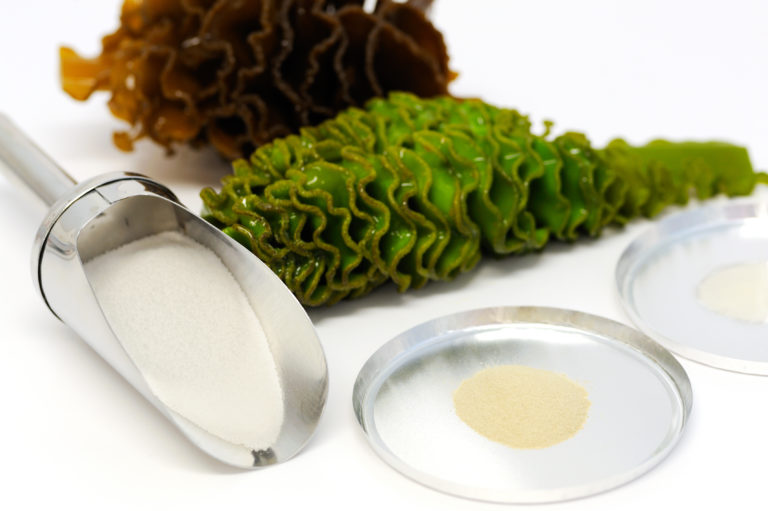
Australian researchers have developed a novel technique using a seaweed extract to significantly reduce oxidation in microencapsulated fish oils. The breakthrough is expected to revolutionize the delivery of fish oils and other dietary supplements, according to the researchers.
In the study published in the journal Powder Technology, Alfred Deakin Professor Colin Barrow led researchers from Deakin University’s School of Life and Environmental Sciences in developing a two-step microencapsulation system with a “double shell” structure using a bioactive seaweed polysaccharide, known as fucoidan.
The incorporation of fucoidan was found to significantly improve oxidative stability of the encapsulated oil and induce better cross-linking of the shell material. “The polyphenols present in the fucoidan extract cross-link to form a tight network of chains with gelatin, which provides this powerful stability,” explained Barrow.
A current limitation in the manufacture of fish oil is its susceptibility to oxidation during production and storage. Oxidation of the polyunsaturated fatty acids in fish oil can lead to unpleasant odor and taste, as well as compromised functional benefits.
However, this new technique provides a solution, with study results showing no oxidation or degradation of the oil during production and greater stability at high temperatures.
Produced by Australian biotechnology company, Marinova Pty Ltd., the fucoidan extract was included in the shell material at 7 percent.
“The benefits of this new method can be applied not only to fish oils, but to the wider dietary supplement sector. It’s a real game changer for microencapsulation,” commented Dr. Helen Fitton, Marinova’s chief scientist. “An added benefit of using fucoidan is that it’s an organic functional food ingredient with anti-inflammatory, immune and digestive health properties. So, fucoidan can potentially work together with the material inside the capsule to deliver complementary benefits.”
This study transcends a former one-step method using transglutaminase as a cross-linker in microencapsulation shells. Using transglutaminase is a slow process requiring a complex temperature profile. This, in addition to potential safety concerns around the use of transglutaminase in food products, led to an urgent need to find a replacement agent.
In comparison, the fucoidan extract is a food-grade ingredient naturally present in brown seaweeds and widely consumed for its beneficial properties. The extract provided superior cross-linking and oxidative stability when compared to transglutaminase, according to Marinova.
This study adds to a growing number of functional applications involving Marinova’s Maritech fucoidan ingredients, including its recent use in biomaterials for brain injury and wound healing.
For more information, visit www.marinova.com.au.