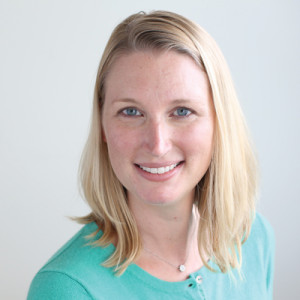
 Danica Harbaugh Reynaud, PhD,
Global Director of Scientific Innovation,
NSF International and founder, NSFAuthenTechnologies
NSF International
789 N. Dixboro Rd.
Ann Arbor, MI 48105
Phone: (734) 769-8010
NSF AuthenTechnologies
2600 Hilltop Dr.
Ste. C346, Bldg. B
Richmond, CA 94806
Phone: (510) 914-3290
AuthenTechnologies LLC was founded in 2010 by Danica Harbaugh Reynaud, PhD, and her husband Dan Reynaud. It was acquired by NSF International in 2015. NSF AuthenTechnologies is the first and only U.S. Food and Drug Administration (FDA) compliant, ISO/IEC 17025 accredited provider of innovative genetic technologies to improve the authenticity, safety and quality of natural products. The company strives to deliver high-quality, efficient and effective solutions based on the most cutting-edge science to solve the challenges of its diverse clientele.
Prior to joining NSF International, Reynaud, co-founded AuthenTechnologies LLC, which developed an advanced DNA-based identity testing and authentication technology for the nutrition, herbals and food industry. Reynaud holds a BA and PhD in integrative biology from the University of California, Berkeley and is very active in the botanical sciences.
NIE: What is the difference between traditional DNA barcoding and AuthenTechnologies’ Next-generation DNA Sequencing?
Reynaud: There are several types of DNA testing useful for identification. DNA barcoding, which relies on longer segments of DNA regions, and traditional DNA sequencing techniques, can only be used on materials consisting of a single species from fresh or living materials. NSF AuthenTechnologies employs a highly specific and sensitive method called Target Specific DNA Sequencing (TSDS) capable of identifying almost any species of plants, meats and fungi using shorter segments and validated reference materials—and from a wide range of ingredients and finished products, including botanical extracts and mixtures—which traditional DNA barcoding cannot. This includes the detection of unexpected contaminants, even those that cannot be distinguished morphologically or chemically. NSF AuthenTechnologies’ next-generation DNA sequencing has successfully identified materials consisting of a single species or a mixture of hundreds of species, as well as screened for GMOs (genetically modified organisms), allergens, fillers and filth for a range of leading natural and consumer product companies. Its species identification services are compliant with FDA’s cGMP (current good manufacturing practice) requirements for 100 percent identity testing for virtually any species of plant, algae, fungus, animal or bacteria and can replace other traditionally-used methods such as TLC, HPLC, HPTLC, FTIR and NIR. Therefore, you can see that a technology such as NSF AuthenTechnologies is widely useful across all categories of foods and beverages to ensure their purity and safety.
NSF International’s dietary supplement and food industry clients now have access to the most advanced DNA testing technology available. Combined with NSF International’s 70-plus years of auditing, testing and certification expertise, this technology further helps companies verify the authenticity, quality and safety of their finished products and raw ingredients, including dietary supplements and botanicals.
In fact, we have developed a single method for simultaneously testing a food product for all of its ingredients, allergens, fillers and GMOs. Therefore, it can be used as a routine test from seed to shelf—from the living organisms to the finished products.
NIE: NSF International recently acquired AuthenTechnologies. How did the partnership come about?
Reynaud: Since inception in 2010, AuthenTechnologies has strived to become the thought leader in the industry regarding DNA-based authentication, and has built an extensive proprietary database of reference sequences and developed validated and specific procedures for thousands of commercially used species. AuthenTechnologies’ strategy from the very beginning was to partner with an established and well-respected organization like NSF International that could help to bring the technology across the globe through its extensive network of laboratories. The acquisition of AuthenTechnologies provides NSF International with next-generation DNA-based species identification services that improve the authenticity, safety and quality of natural products, including dietary supplements, foods and other consumer products. In addition to supporting dietary supplement clients, the technology strengthens NSF’s supply chain food safety, seafood, non-GMO and gluten-free certification programs, and will be a core component of NSF services designed to help companies avoid issues of food adulteration and fraud.
Adding this technology to our global laboratory capabilities aligns with NSF International’s objective to remain a technical leader in testing.
NIE: What are some of the misconceptions about DNA testing?
Reynaud: The two major misconceptions about DNA testing are:
1. There is only one way to conduct DNA testing, and
2. DNA is either the holy-grail or totally unfit-for-purpose.
There is a general lack of understanding throughout the industry and the general public about the numerous technologies and methodologies available for doing different types of DNA testing. DNA can be used in a lot of different ways and some may or may not be useful or fit for purpose. We find people to have very extreme views about DNA testing—either it works for everything and should solve all of one’s problems, or it doesn’t work at all. It is interesting that it is so polarizing, but once people understand its true capabilities there is more respect for what it can do in our toolbox of different quality control measures. When performed appropriately on the appropriate materials, DNA can provide the most sensitive and accurate information about the presence of different biological organisms. But other methods are still required to assess other quality parameters, such as the part of the organisms that are present and the presence of specific chemical compounds, flavors or other functional characteristics.