Although depression is commonly experienced by both men and women, men are more likely to die from it. Depression is a mood disorder that affects the ability to feel, think and handle daily activities, and symptoms can range from mild to severe. In order to be diagnosed with clinical depression, also known as major depressive disorder, one must experience symptoms for at least two weeks.
According to an article on nimh.nih.gov titled “Men and Depression,” “Both men and women get depression but their willingness to talk about their feelings may be very different … For example, some men with depression hide their emotions and may seem to be angry, irritable or aggressive while many women seem sad or express sadness. Men with depression may feel very tired and lose interest in work, family or hobbies.” Furthermore, men are more likely to seek help for the physical symptoms caused by depression, such as racing heart, tightening chest, ongoing headaches or digestive issues, rather than the emotional symptoms. Some men turn to drugs or alcohol to cope, leading to health problems, and although women are more likely to attempt suicide, men are more likely to die by suicide because they tend to use more lethal methods.
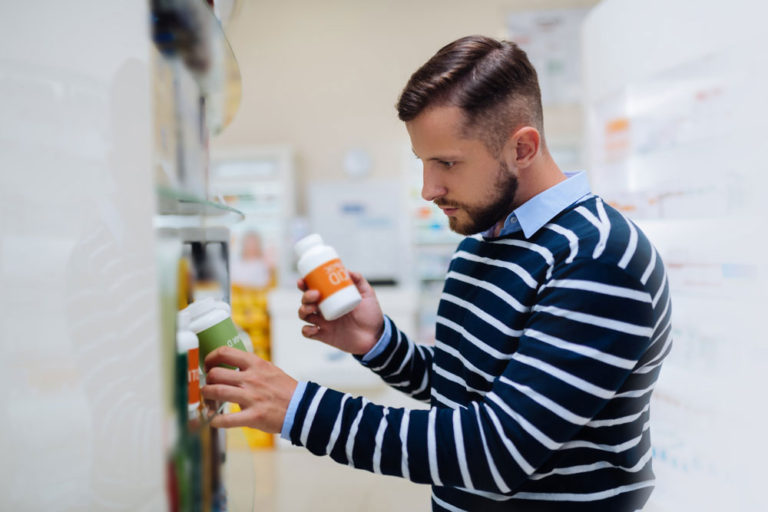
Since “Men often avoid addressing their feelings … in many cases, friends and family members are the first to recognize that their loved one is depressed.” Support from loved ones is critically important, as they can encourage the man suffering to visit a doctor or mental health professional for an evaluation. Treatment for depression usually includes medication, psychotherapy or brain stimulation therapies; however, some natural ingredients that may have a positive effect, according to medicalnewstoday.com, include SAM-e (S-adenosylmethionine), St. John’s wort, omega-3 fatty acids, lavender, 5-HTP (5-hydroxytryptophan) and DHEA (5-Dehyrdoepiandrosterone).
For more information, visit www.nimh.nih.gov/health/publications/men-and-depression.
![[Extra! Extra!] Four Ingredients for Men’s Health Support](https://niemagazine.com/wp-content/uploads/2025/05/MensHealth-288x300-1748619038.jpg)


![[Extra! Extra!] Johns Hopkins’ Study Looks at Psilocybin Mushrooms for Major Depression](https://niemagazine.com/wp-content/uploads/2024/03/Functional-Mushrooms-300x172.jpg)