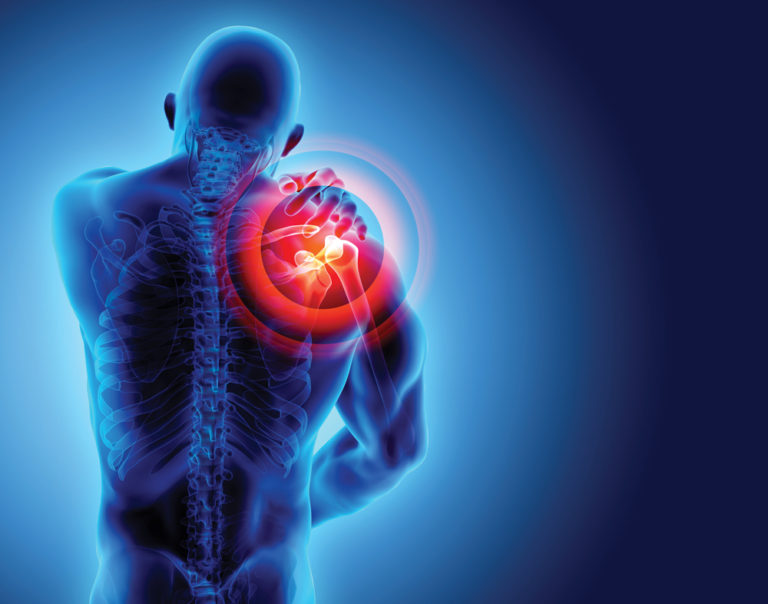
Joints, bones and muscles are no longer isolated in the minds of active adults—it’s all in the movement. Here’s how to formulate for this expanding population.
What was your most recent movement before you began reading this? If it was something as simple as crossing your legs and you needed to stop and think for a moment to remember doing this, well, that’s great. For millions who have impaired mobility, creaky and achy joints, muscular atrophy or pain, that answer would have been instantly recalled with a grimace.
Life has so much for us to do at any age. Retirees are not lounging in rocking chairs, they are running marathons, playing sports, starting or renewing hobbies, and exploring new terrain (or waters) via traveling. Middle-aged parents are joining their young adult children in sports and races, and in creating new small businesses together.
Therefore, there is tremendous opportunity for brand marketers to develop “sports nutrition lite” products for active adults—supplements/beverages/bars that promote and protect fluidity of movement by supporting structure and function of bones/joints and muscles.
“Being physically active is an extremely important component to healthy aging,” underscored Karen Dhanraj, technical marketing and sales manager, Lallemand Bio-Ingredients, Canada. “Healthy Aging” as defined by the World Health Organization (WHO) is “the process of developing and maintaining the functional ability that enables wellbeing in older age.” Part of this functional ability includes mobility of joints and muscles during the aging process, both of which require strong healthy bones,” noted Dhanraj.
In the viewpoint of Juliana Erickson, senior marketing manager, Consumer Health & Nutrition, Lonza (Basel, Switzerland), the “active adults” category is becoming increasingly broader as rising numbers of consumers of all ages take steps to proactively maintain their mobility, movement fluidity and overall health. “As more and more older individuals become aware that movement is key to a healthy lifestyle longer term, there is an increased demand from this demographic for nutrition solutions that support these choices and enable them to remain active for longer. Indeed, it is clear there is significant growth potential for supplement solutions that support, for instance, joint health, sports performance and muscle recovery within this market,” she explained.
In agreement is Kate Quackenbush, communications director, NattoPharma USA Inc. (Edison, NJ), who observed, “as bone and joint health is not solely a concern for the elderly and aging, sports nutrition is not just for the super-active sports junkie.” Exercise continues to be recommended as a critical factor to preserve physical and mental health as we age, she noted, and as such, today’s Boomers and Gen-Xers are getting the message. “The mid-40s to late-60s demographic is actively pursuing healthy aging goals, and it makes absolute sense that they should have their own proper nutrition supplementation alternatives to pair with their fitness regimens,” she stated.
Josh Stewart, product manager, bioactives, at Glanbia Nutritionals (Chicago, IL) has also observed that the active adult demographic is beginning to flourish, and as it does, the opportunity to cater to their bone/joint/muscle preservation needs increases. Although many brand owners are focusing on sports nutrition, per se, he stated, “there is a gap in the market for products targeted toward active adults. As people age, their requirement for supplementation, especially protein and essential amino acids, increases. For example, the body as it ages is not able to process protein as easily, requiring an even greater amount of protein to prevent sarcopenia. Other supporting nutrients for the bones and joints are increasingly important.”
Angie Rimel, marketing coordinator for Iowa-based GELITA, pointed to the continual educational efforts from such august bodies as the CDC (Centers for Disease Control and Prevention) and WHO, which are both implementing programs to help meet the needs of aging adults. As a result, she said, today’s seniors are better educated and more proactive with their health than seniors in previous generations. Today’s younger seniors know that in order to ensure they can be reasonably healthy in their 70s, 80s and 90s, they should exercise regularly, which includes moderate strength training.
“Fitness enthusiasts are eventually going to age and no matter their age, they are still going to want to remain active,” asserted Tim Hammond, vice president of marketing & sales for Washington-based Bergstrom Nutrition. The 20- and 30-year-olds of yesterday are now youthful-minded 40- and 50-year-olds. “That doesn’t mean their love of fitness has to end,” he commented. “If anything, the true enthusiasts will do whatever they have to do to continue, and maybe even increase, their pursuits. This means they are willing to take extra precautions when the effects of both natural aging and physical activity can creep up and wear their bodies down over time.”
When it comes to today’s elderly, Hammond added, mobility equals independence. Mature consumers are interested in ingredients and products that allow them to remain active, mobile and comfortable. “To understand how crucial joint health and mobility is for older adults, one simply needs to experience a fall, or hip fracture with an aging loved one. If we as an industry keep that simple equation in mind, it should drive innovation for products focused on how to keep people active, supporting both strength training and keeping people moving,” he related.
Aging, however, is still aging, meaning that time and use of our joints/bones and muscles will have an impact on both their structure and function, no matter how physically active we are. Knowing some differences should help in formulation.
The main difference of the age groups is their bone, joint and muscle metabolism,” clarified Barbara Lehner, nutritionist and product manager, vis vitalis gmbh, Austria, whose PANMOL ingredient line is distributed in North America via Stauber.
Lehner elaborated that from about age 30, the density of bones begins to diminish, resulting in more fragile bones. Also, joints are affected by changes in cartilage and in connective tissue. Loss of muscle is another degrading process that starts around the same age. “Simply spoken: while during the first 30 years of life the goal of working out is to strengthen and stabilize the musculoskeletal system, thereafter the goal is to maintain what had been built up,” she said.
According to Stewart, data from a global supplement consumer survey, completed by Glanbia Nutritionals in May 2019 found that 39 percent of global supplement consumers aged 18-34 ranked joint health as one of their top three most important health benefits. Of older consumers between 55-70, the survey found that 72 percent of consumers rank joint health among their top three most important health benefits. “As the body ages, the effects of joint health begin to make themselves known and increase their importance in maintaining mobility and quality of life, especially for active consumers,” he commented.
Hammond observed that “in the past it might have seemed that the 20-somethings were shredding their way through their workouts, conducting rigorous activity without considering the future joint implications. But now with so many people having easy access to information, and a new focus on mindfulness through side interests like yoga and Pilates, we’re seeing more and more younger populations being forward-thinking about their joints when long-term protection is concerned.”
In agreement is Adrian Jäger, director market development & innovation, consumer goods, region Americas, for California-based Omya Inc., who noted that some younger adults just want to shape up, build muscles and look good. However, he emphasized, the generations really do not differ that much.
According to the Global Wellness Institute, the industry is now more than three times the size of the global pharmaceutical industry, cited Rimel. Middle-aged adults are enjoying exercise and fitness activities ranging from barbell classes, to CrossFit to high-intensity interval training (HIIT), to running to cycling, physical activity. “The worldwide wellness and fitness industry is booming, she emphasized.
Patrick Stano, brand manager for California-based Stauber Ingredients, observed that bone and joint health support supplements are not as important to the younger adults as they are to the older athletes. “Older athletes feel the pain due to the years of activity and the natural aging process,” he stated.
However, Erickson noted, the gap between the generations within the sports nutrition space is closing in many respects, but especially when it comes to managing their joints and muscles. Research commissioned by Lonza indicates that joint health is one of the top five health concerns for U.S. consumers of all ages.
Furthermore, she added, as the consumer demographic in the sports nutrition category expands beyond elite athletes and professional sportspeople to include more and more everyday gymgoers, the interest in maintaining mobility continues to rise within the general population. “What was once primarily a concern for older age groups has now become an area of interest for younger consumers too, with Millennials proving to be particularly a strong driving force behind this market evolution. This indicates that, while fitness goals may differ between generations, the desire to support joint and muscle health to maintain mobility longer term is a priority for all consumer groups,” she said.
Quackenbush pointed to an opportunity centering on educating younger adults. “Unfortunately, younger generations do not view bone and joint health as a primary concern because they rarely feel the impact the same way as older generations,” she said. “But the damage is indeed being done if they do not have a proper foundation, and that foundation should be laid as early as possible so we can remain active and vital as we age.”
Ingredients
Omya’s Omya-Cal features high elemental calcium content, and, said Jäger, “is one of the most concentrated sources of calcium in the market, hence the same calcium dose in a finished product can be achieved more efficiently compared to other technical solutions available.” Depending on the dosage used, calcium-related claims can be stated on packaging. Possible applications include snack bars, breakfast cereals and dairy alternative drinks.
In addition, he reported, Omya has developed the bone-health prototype Omyabone. As a high-purity natural calcium source with 40 percent bioavailable calcium, Omya-Cal is suitable for natural calcium supplementation and multi-ingredient bone-support products. Together with a balanced diet, he noted, supplements based on this formulation contribute to the recommended daily allowance for calcium. “However, it’s not just calcium that is essential for bone health—the vitamins D3 and K2 are important for optimal calcium absorption and deposition. They are therefore available through the Omya distribution portfolio and embedded in the Omyabone prototype formulation, which can be realized in various forms, including chewable, easy-to-swallow or fast-dissolving tablets,” Jäger described.
Aquamin Plus is Stauber’s new addition to its flagship brand, which Stano described as a proprietary blend of Aquamin (calcium from red algae), Aquamin Mg (magnesium from sea water), pine bark extract and vitamin D3. Aquamin and Aquamin Mg both provide 72 additional trace minerals that Stano said have been shown in more than 45 studies to improve bone strength and joint function among other attributes.
Once often overlooked, vitamin K2 menaquinone-7 (MK-7) is now in growing demand by an educated public that knows calcium needs this vitamin to be properly utilized.
“Calcium is very important for building strong bones, but if we are not pairing calcium consumption with MenaQ7 (vitamin K2 as MK-7) and vitamin D3, then our bodies are not properly utilizing it to build strong bones,” Quackenbush explained, adding, “in fact, we are now also opening ourselves up to cardiovascular issues.”
Vitamin K2 as MK-7 activates proteins that help the body properly utilize calcium. Namely, osteocalcin, which binds calcium to the bone mineral matrix, leading to stronger, denser bones; and Matrix Gla Protein (MGP), which inhibits calcium from depositing in arteries and soft tissues where it can do harm. Vitamin D3 is an important nutrient to consider with MK-7 as it helps the body to synthesize osteocalcin and MGP—D3 creates these proteins, K2 activates them.
Quackenbush reported that NattoPharma has been working to establish a K2-specific Recommended Daily Intake (RDI); both NattoPharma and its research partners are making progress. Most recently, she said, “a review paper was published clearly explaining the difference between K1 and K2 (an important foundational piece), and a new paper was just submitted for publication clearly arguing the need for a K2-specific RDI based on the expansive body of research—research that almost entirely used MenaQ7 as the actual source material showing safe, efficacious health benefits.”
Lalmin Vita D (distributed in North America via Stauber Ingredients) is, said Dhanraj, a natural, vegan source of vitamin D2, with proven bioavailability. It is made by exposing active baker’s yeast (Saccharomyces cerevisiae) to UVB light, then inactivating and drying it, resulting in a product containing high levels of vitamin D2 (ergocalciferol). All the other vitamins, minerals and micronutrients naturally found in yeast are also preserved. The ingredient is available in two forms: Lalmin Vita D contains 200 μg (8,000 IU) vitamin D per 1g. 70 mg will provide 15 µg of vitamin D; Lalmin Vita D 2M contains 500 μg (20,000 IU) vitamin D per 1g. 35 mg will provide 15 µg of vitamin D.
Another vitamin critical to healthy mobility, said Lehner, is niacin (vitamin B3). Its biologically active form, NADH, plays a central role in the cellular energy production (adenosine triphosphate or ATP). In addition to contributing to the reduction of tiredness and fatigue, NADH supports muscular and energetic processes, catalyzes regenerative processes and is the highest efficient human antioxidant.
Despite its beneficial effects for healthy mobility, Lehner noted, NADH is a very sensitive structure; it is sensitive to light, air, gastric acid and oxidants. Therefore, it is a challenge to combine biologically active vitamin B3 with other ingredients to create effective dietary supplements.
Lehner explained, “vis vitalis gmbh found a way to stabilize NADH in a natural way. PANMOL NADH is electrochemically and physically stabilized due to a patented, natural coating consisting of plant fat, bees wax and chlorophyll. It can be combined with other (non)active ingredients, does not need special coating and still shows high efficacy due to its resistance to gastric acid. That way, it is possible to draw the NADH’s full energy and regenerative potential.”
According to Erickson, Lonza continues to invest in an expanding portfolio of ingredients targeted to “today’s active, aspirational consumers both in their health goals and values.” For example, Lonza’s new vegan MuscleGuard formula is a blend of four ingredients: Carnipure tartrate, creatine and leucine with vitamin D—that offers clinically studied benefits for muscle health. “It is proposed to trigger the mTOR pathway to drive new muscle protein synthesis—clinical research on older adults has shown a two-fold increase in mTOR protein and insulin growth factor 1 (IGF-1) and a 63 percent increase in muscle mass, strength and activity,” she described.
Lonza’s UC-II undenatured type II collagen also offers benefits for individuals seeking support for joint health, mobility and flexibility. While it is now an established and scientifically proven ingredient, Erickson noted, newer dosage form technologies expand formulating opportunities. Lonza’s proprietary DUOCAP capsule-in-capsule technology, for instance, “enables our UC-II brand to be delivered alongside other trending ingredients to offer additional, synergistic effects in a single capsule,” she stated.
Collagen is considered one of the most versatile and important ingredients in health and beauty, Rimel pointed out. However, “collagen supplementation should not be considered a one size fits all solution. Different collagen peptides offer optimized benefits for different areas of the body. Research shows that GELITA Bioactive Collagen Peptides are optimized to maximize the stimulatory effects on specific cells in the body … and, the level of stimulation is different for varying collagen peptide compositions.”
GELITA’s collagen line relevant for bone, joint and muscle health (eg, healthy mobility) includes: BODYBALANCE for muscle strength and toning, FORTIBONE for bone health, FORTIGEL for joint health and TENDOFORTE for tendons and ligaments.
“A significant part of the mobility story is chronic inflammation,” said Hammond. “MSM (methylsulfonylmethane) has been shown in multiple studies to reduce oxidative stress, thus protecting the body from advanced aging and other detrimental effects of oxidative stress.”
Bergstrom Nutrition’s OptiMSM (methylsulfonylmethane) provides nutritional support for mobility by keeping joints and connective tissue healthy, Hammond added. “OptiMSM also reduces muscle soreness following exercise and positively influences other markers of exercise recovery. Plus, MSM mitigates muscle damage from oxidative stress and inflammation following exercise.”
AdvanPro is a low-protein solution containing PepForm Leucine (leucine enriched milk protein and peptides), optimized for effective delivery of leucine, which is a key amino acid for triggering muscle protein synthesis in aged muscle, according to Sarah Flynn, PhD, product technology manager, Bioactives. This allows for high dose protein benefits with fewer calories to be achieved for ready-to-mix and ready-to-drink beverage applications. Advanpro helps deliver muscle protein benefits in a small dose. Advanpro contains optimal delivery of leucine.
In one study, she related, an AdvanPro beverage containing 12.5 g dose elicited comparable muscle protein synthesis responses to the WPI beverage containing a 28.5 g dose of whey protein isolate (WPI). The AdvanPro beverage induced increases in muscle protein synthesis similar to a WPI beverage containing 60 percent more protein and a similar amount of leucine.
The category of heathy mobility is moving forward at a rapid and graceful pace. NIE
For More Information:
Bergstrom Nutrition, www.bergstromnutrition.com
GELITA, www.gelita.com
Glanbia Nutritionals, www.glanbianutritionals.com
Lallemand Bio-Ingredients, https://bio-lallemand.com
Lonza, www.lonza.com
NattoPharma USA., Inc., www.nattopharma.com
Omya Inc., www.omya.com
Stauber Ingredients, www.stauberusa.com
vis vitalis gmbh, www.vis-vitalis.com; www.stauberusa.com

![[Extra! Extra!] The Connection Between Aspirin Use and the Risk of Falls and Fractures](https://niemagazine.com/wp-content/uploads/2026/04/Bone-and-Joint-300x284-1777484568.jpg)
![[Extra! Extra!] Aker BioMarine Researches Brain and Muscle Health for Longevity](https://niemagazine.com/wp-content/uploads/2026/02/AgingWell-300x271-1771953269.jpg)