Longevity is being redefined. It’s increasingly about preserving metabolic resilience across multiple biological systems. As the longevity category evolves, researchers and formulators alike are moving beyond single-endpoint solutions and looking more closely at the interconnected pathways that shape how we age, including GLP-1 signaling, inflammatory balance, oxidative stress and the gut microbiome.
For formulators, this shift raises an important question: Which ingredients can meaningfully influence multiple pathways while still offering clinical credibility, formulation flexibility and commercial relevance?
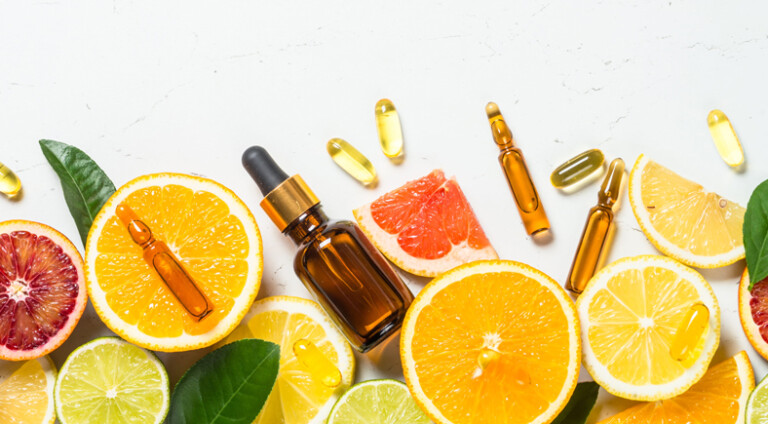
Citrus bioflavonoids are re-emerging as far more metabolically relevant than many formulators may have previously assumed. Advances in standardization and clinical research have elevated high-potency flavonoid complexes, particularly those rich in eriocitrin, from traditional antioxidants to ingredients with measurable effects across several key markers linked to aging.
GLP-1: A Central Hormone for Metabolic Aging
With GLP-1 now dominating conversations around metabolic health, weight management and healthy aging, formulators are increasingly asking whether natural ingredients can support similar biological pathways. GLP-1 plays a critical role in glucose-dependent insulin secretion, nutrient sensing and metabolic signaling, appetite regulation and satiety, and the maintenance of metabolic flexibility. As GLP-1 activity declines with age, glycemic control often becomes more difficult, contributing to broader metabolic dysfunction.
Clinical data on citrus flavonoid complexes show increases in GLP-1 levels in the range of 15 to 22 percent over 12 weeks, alongside improvements in fasting glucose, HbA1c and insulin resistance markers.1-3 What makes this especially relevant is the mechanism. Rather than acting through a single pathway, these compounds appear to both increase endogenous GLP-1 production and reduce DPP-4-mediated degradation. Together, these effects suggest a more sustained response than many non-pharmaceutical approaches, which tend to produce only short-lived increases in GLP-1. For formulators, this opens the door to more durable metabolic support within a natural ingredient framework.
Inflammaging
One of the more important shifts in longevity science is the recognition that aging is not only about oxidative damage, but also deeply tied to chronic, low-grade inflammation, often referred to as inflammaging. Markers, such as IL-6, TNF-α and hsCRP, tend to rise over time, often well before the onset of clinical disease. This persistent inflammatory tone can disrupt metabolic signaling, impair mitochondrial efficiency and accelerate functional decline.
Citrus bioflavonoids have been shown to influence this process by reducing pro-inflammatory cytokines while increasing adiponectin, an anti-inflammatory adipokine associated with improved metabolic function.2-4 Notably, the effect appears to be one of regulation rather than suppression. This distinction matters, as long-term health depends on maintaining immune balance rather than eliminating inflammatory signaling altogether.
This makes citrus flavonoids relevant for formulations targeting metabolic syndrome, cardiovascular health and broader healthy aging strategies.
Oxidative Stress & Antioxidant Function
Oxidative stress remains one of the most established links between metabolic dysfunction and cellular aging. Excess reactive oxygen species (ROS) can damage lipids, proteins and DNA, contributing to mitochondrial decline over time.
Eriocitrin-rich citrus flavonoids offer a more layered approach to antioxidant support through direct scavenging of reactive oxygen species, activation of endogenous defense pathways, such as Nrf2, reduction in lipid peroxidation, and improvements in overall antioxidant capacity.5 Rather than acting only as simple free radical neutralizers, these compounds also help upregulate the body’s own protective systems, which naturally weaken with age.
This shift toward pathway-level antioxidant support reflects a broader evolution in how formulators approach oxidative stress in modern products.
Microbiome Support for Homeostasis
The gut microbiome is now increasingly recognized as a key player in metabolic regulation, influencing inflammation, nutrient signaling, and energy balance. With aging, shifts in microbial composition, including altered Firmicutes/Bacteroidetes ratios and reduced short-chain fatty acid (SCFA) production, are commonly observed and linked to metabolic decline.
Recent clinical research indicates that citrus bioflavonoids can help modulate microbiome composition by reducing bacterial groups associated with dysregulated glycemia, increasing beneficial species tied to metabolic function, and supporting a more favorable microbial balance overall.6 These changes point to a role in maintaining gut integrity and improving metabolic signaling through the gut-systemic axis, an area of growing interest in next-generation formulations.
Emerging Areas of Interest
New research is beginning to expand the functional scope of citrus bioflavonoids beyond established metabolic pathways. One area gaining attention is the regulation of the hypothalamic-pituitary-adrenal (HPA) axis, as chronic stress and elevated cortisol levels are increasingly linked to impaired glucose metabolism, reduced insulin sensitivity, and accelerated aging processes.
Preclinical findings suggest that citrus flavonoids may help rebalance stress-related signaling, with potential effects on cortisol regulation and metabolic stability.⁵ While human data is still needed, these early results add another dimension to their role in metabolic health.
Additional areas under investigation include nutrient-sensing pathways, such as AMPK, mitochondrial function and potential synergies with established metabolic health ingredients. Together, these emerging insights reinforce the view of citrus bioflavonoids as multi-mechanistic ingredients capable of interacting with several biological systems at once.
Formulation Relevance and Market Opportunity
From a product development perspective, citrus bioflavonoids offer a combination of attributes that align well with current market demands. They have demonstrated clinically supported activity across multiple pathways, can be used at low effective doses that allow formulation flexibility, and are compatible with a wide range of delivery formats. They also offer potential synergy with established metabolic health ingredients.
As interest in longevity and metabolic health continues to grow, so does demand for ingredients that address interconnected systems rather than single outcomes. In this landscape, clinically validated citrus bioflavonoids provide formulators with a science-backed option for developing next-generation products focused on metabolic resilience and long-term health. NIE
References
1 Cesar TB, Ramos FM, Ribeiro CB. Journal of Medicinal Food. 2022.
2 César T et al. Crossover Randomized Clinical Trial. 2022.
3 Ramos FM et al. Food Science & Nutrition. 2023.
4 Ribeiro CB, Ramos FM, Manthey JA, Cesar TB. Phytotherapy Research. 2019.
5 Liu W et al. Antioxidants. 2025.
6 Rooney MR et al. Diabetes Care. 2023.
Rob Brewster is the president of California-based Ingredients by Nature. As a third-generation ingredient manufacturer for the natural products industry, Brewster is proud to be part of the health and wellness world. He followed in his grandfather’s and father’s footsteps, helping their company Brewster Foods grow since he joined in the 1990s and then partnering with Syntech to form Ingredients by Nature, a world leader in citrus bioflavonoids and extracts. As president, Brewster invests heavily in citrus flavonoid science for condition-specific applications and holistic wellness. For more information, visit IngredientsbyNature.com.



![[Sponsored Content] Empowering Global Nutraceutical Brands: Inside Sirio Nutrition California’s End-to-End Capabilities](https://niemagazine.com/wp-content/uploads/2026/08/siro-logo-300x83.png)