Neutralizing oxidative stress for overall health and wellness.
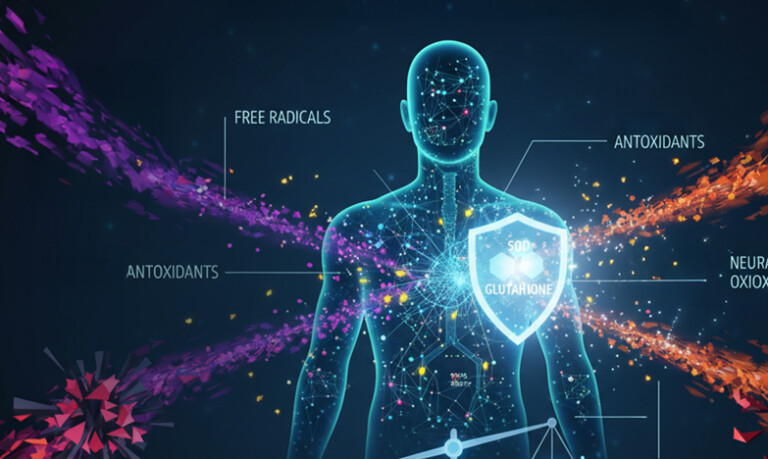
Free radical scavengers, also known as antioxidants, are molecules that neutralize unstable free radicals before they can damage cells, protein and DNA. The body maintains a delicate balance of free radicals, which are produced naturally during metabolism.
However, stressors such as pollution and poor diet can skew this balance and contribute to oxidative stress, a key factor in various health issues.
“Antioxidants help maintain cellular balance by stabilizing these reactive molecules without becoming unstable themselves. Therefore, antioxidants serve as an important natural defense mechanism supporting cellular health,” said Dr. Edward Dosz, vice president of science and innovation at NutriScience Innovations (Milford, CT).
Maria Stanieich, senior marketing manager at Kyowa Hakko USA (New York, NY) added that when free radicals accumulate and trigger oxidative stress, they wear down cells and tissues and can lead to cell death over time. They can lead to signs of premature aging and chronic diseases or conditions.
“Antioxidants counter that process by neutralizing free radicals before they can cause damage to things like DNA, lipids, proteins and other vital cellular components,” she said. “Having too many free radicals in the body tips the scale toward cellular stress, but having strong antioxidant defenses helps the body maintain stability and overall health. This balance, or lack thereof, plays a major role in how the body ages and activates the immune response.”
According to Andrea Zangara, scientific communication advisor at Spain-based Euromed Group, these reactive species are not inherently harmful and play important physiological roles in signaling and adaptation. This process is called hormesis—when mild stress triggers beneficial cellular defenses and repair mechanisms.
He reiterated this equilibrium is disrupted by chronic exposure to pollutants, stress and the Western diet—high in processed fats and sugars, which can be pro-oxidant and pro-inflammatory. Alternatively, the Mediterranean diet—which is rich in fruits, vegetables and olive oil—promotes antioxidants and anti-inflammatory compounds.
“A notable compound is hydroxytyrosol, which is a powerful antioxidant that can bolster defenses and reduce inflammation. In the nutraceutical field, antioxidants are increasingly seen not just as neutralizers but also as modulators of resilience, healthy aging and long-term well-being,” he explained.
“Free radical scavengers help maintain immune and cellular balance by neutralizing excess oxidative stress while preserving the redox signaling essential for normal immune responses. Today’s focus is on balance, not over-suppression, to help ensure alignment between free radical production and the body’s antioxidant defenses,” added Shawn Baier, MS, MBA, senior director, global ingredient science at China-based TSI Group.
Trends and State of the Market
The market for free radical scavengers is steadily growing as consumers show greater interest in nutritional strategies that support cellular protection and healthy aging. There is a shift toward natural, plant-based and clinically supported ingredients, transparency and scientific validation.
According to Catherine Kwik-Uribe, chief science officer at Everwell Health (Saddle Brook, NJ), this growth is supported by ongoing research on oxidative balance, advanced in ingredient formulation and stability and the rising demand for natural, sustainably sourced compounds. “Companies are also focusing on transparency, quality standards and traceable supply chains, reflecting a broader shift toward evidence-based, responsibly produced ingredients across the supplement and functional food sectors,” she said.
Baier noted it was once believed that all free radicals were inherently detrimental to health, leading to an emphasis on over-suppression via mega doses of antioxidants. Advances in redox biology have shown the importance of free radicals in cell signaling, immune response and mitochondrial reactive oxygen species (ROS) production.
“This knowledge has prompted an important category shift, away from the use of broad-spectrum antioxidants, and toward targeted redox modulation using such mechanisms as NRF2 activation and mitochondrial support,” he said.
Stanieich added many formulators are looking at how to enhance bioavailability and stability so ingredients can deliver consistent benefits across formats.
“Regulatory pressure and consumer demand are pushing the market toward cleaner, more traceable solutions, and as a result, innovation is becoming more sophisticated,” she said. “The focus is no longer just about adding antioxidants to products, but on developing clinically studied, comprehensive ways to support the body’s natural defense systems and long-term cellular health.”
Zangara explained that the market is moving from a defensive approach to a proactive idea of cellular optimization where antioxidants are promoters of vitality, performance and longevity. This change has been seen in products for cognitive function, cardiovascular health and recovery.
“The antioxidant category is changing. Instead of focusing only on traditional single-molecule antioxidants like vitamins C and E, the market now emphasizes bioactive diversity, particularly standardized botanical extracts rich in polyphenols and flavonoids,” he said.
Dosz added that polyphenolic compounds such as quercetin, a powerful flavonoid found in red onions, is gaining attention for its multifaceted role in modulating inflammation, gene expression and mitochondrial health.
“Another emerging focus is ergothioneine, a unique antioxidant amino acid with its own dedicated transport system (OCTN1) that actively accumulates in tissues prone to oxidative stress, such as the liver, brain, and eyes,” he explained. “There’s also growing interest in synergistic formulations that combine multiple antioxidants targeting different pathways, including cellular repair and metabolic resilience.”
Science and Research
Science and research continue to explore the ways that free radical scavengers can help support cellular health.
“Studies have identified new compounds with strong scavenging activity and examined their potential benefits in areas like brain health, metabolic function and response to environmental stressors,” Kwik-Uribe said.
Annie Eng, CEO of Florida-based HP Ingredients, noted that research published in 2025 explored “bioengineered hybrids” combining natural efficacy with synthetic stability. These are reported to have between 20 percent and 50 percent higher bioavailability than isolated vitamins such as ascorbic acid derivatives.
According to Dosz, the natural products industry and scientific community are focusing more on real-world measures such as proven biomarkers, mechanism-based data, and clinical results proving how antioxidants operate through various mechanisms to help prevent oxidative damage.
“One of these mechanisms is through the activation of transcription factors, such as nuclear factor erythroid 2 (NRF2), which promotes the expression of genes involved in oxidative stress response. By activating these genes, there is a higher expression of enzymes that can help neutralize excess free radicals such as superoxide dismutase, catalase or glutathione regulators,” he said.
Baier noted that maintaining metabolic and mitochondrial function is not about eliminating free radicals completely, but about preserving homeostasis and balance.
“The body is naturally equipped to manage oxidative stress, maintaining a delicate equilibrium between the production and removal of reactive molecules. When that balance is disrupted, excess free radicals can trigger chronic, damaging inflammation,” he explained. “Guided by this evolving science, the focus has shifted from ‘more antioxidants’ to smarter antioxidants: pathway-specific, mitochondria-targeted, and selective antioxidants that strengthen the body’s innate defense systems rather than override them.”
Stanieich said research is not only focused on the presence of antioxidants, but also on how well these compounds are absorbed, utilized and integrated into the body’s cellular networks. “There’s increasing attention on ingredients that offer multiple pathways of support—helping maintain cellular health, immune resilience, and overall metabolic balance. This is part of a larger movement toward evidence-based solutions that reinforce the body’s natural ability to maintain health and balance over time.”
Ingredients
There are various natural ingredients that have antioxidant properties.
American River Nutrition, an Everwell Health company, is the supplier of DeltaGold annatto tocotrienols, which are a naturally sourced form of tocotrienols containing delta and gamma isomers standardized for consistent potency and purity.
“Research suggests that DeltaGold annatto tocotrienols may support a healthy inflammatory response, promote balanced blood glucose levels, and support cardiovascular health, making them a well-characterized ingredient for dietary supplements and functional products aimed at overall health and wellness,” Kwik-Uribe said.
Kyowa’s Setria Glutathione is the world’s best-selling, clinically studied form of glutathione backed by more than 65 years of research and development. It works at the cellular level to bind and stabilize free radicals, reduce oxidative stress and help protect cells from damage.
In a recent study, healthy adults taking daily oral doses of Setria (250-1,000 mg) experienced significant increases in glutathione concentrations in whole blood, erythrocytes and plasma after a six-month period. Adults taking 1,000 mg of Setria also saw a 100 percent increase in natural killer (NK) cell cytotoxicity from baseline after three months, according to Stanieich.
NutriScience has several antioxidant ingredients including BenfoPure (a fat-soluble version of vitamin B1), SalidroPure (a precision fermented tyrosol glycoside from rhodiola), SunActive (a microencapsulated isoquercetin that is 25 times more bioavailable than standard forms), and ErgoTru (a natural 5 percent ergothioneine from golden oyster mushroom extract), Dosz said.
TSI Group’s Hobamine is a naturally occurring form of 2-HOBA and represents a new class of selective antioxidant. It is the only nutritional intervention that specifically targets the negative impact of oxidative stress while allowing the body’s normal, healthy immune processes to function as needed.
Hobamine works by “capturing” common downstream products of oxidative stress and preventing them from binding to other cellular components. A study published in the journal Inflammation showed that 2-HOBA supplementation positively impacted 15 inflammatory biomarkers, according to Baier.
“This double-blind, randomized, placebo-controlled trial examined the effects of 2-HOBA on oxidative stress in both younger and older healthy adults. The findings revealed that 2-HOBA significantly increased key immune-regulating proteins which are vital to immune readiness,” he said.
ParActin from HP Ingredients is a patented, proprietary extract of Andrographis paniculata. Its active compound—andrographolide—has been shown to exhibit a unique antioxidant ability. It increases the Nrf2-Keap1-antioxidant response element (ARE), which helps maintain healthy anti-inflammatory, antioxidant, detoxification and autophagy actions.
“This pathway plays a key role in the maintenance of cellular homeostasis under stress and inflammation by activating the many antioxidant and detoxification genes to help process and eliminate toxins before they can cause damage,” Eng said.
Euromed’s Pomanox is a standardized pomegranate (Punica granatum L.) extract obtained from fresh Spanish fruits. It is rich in ellagitannins, ellagic acid and anthocyanins to preserve the fruit’s natural polyphenolic profile while offering excellent solubility and formulation flexibility.
“Beyond its well-known antioxidant activity, Pomanox modulates redox balance and inflammation through cellular signaling mechanisms,” Zangara said. “Preclinical research has shown improvements in endothelial function and nitric oxide bioavailability, activation of the Akt/eNOS pathway, modulation of the Aryl Hydrocarbon Receptor (AHR), reduction of vascular MCP-1, and protection of immune cells from oxidative damage by lowering mitochondrial ROS.”
Health Benefits
Consumers are looking for ingredients and products that support overall cellular protection and help manage oxidative stress.
“Key benefits they often seek include support for cardiovascular health, healthy inflammatory response, balanced blood glucose levels, brain and cognitive health, and healthy aging,” Kwik-Uribe said. “Many consumers also look for ingredients that are naturally sourced, well-studied and sustainably produced, reflecting a preference for products that combine efficacy with transparency and quality.”
“Consumers are looking to bolster their overall immune resilience, stress reduction and to slow aging processes with antioxidant formulas. Antioxidants mostly tend to not be condition-specific, but for overall improvements in health and well-being, a reassurance of healthy, robust aging,” Eng added.
Consumers are increasingly seeking products that support longevity, cognitive health, recovery and stress resilience benefits that extend beyond the traditional “anti-aging” position, Baier said.
According to Zangara, consumers increasingly associate antioxidants with vitality, prevention and long-term wellness rather than just anti-aging. They are seeking products that help with daily stressors such as physical, metabolic and emotional aspects, while promoting energy, focus, recovery and skin health.
“There is growing awareness of ‘inflammaging,’ the chronic low-grade inflammation that accompanies aging, and a desire for natural solutions that address its root causes,” he said. According to Stanieich, consumers want to “feel good, look their best and live a quality life.” Neutralizing free radicals is an important part of this process because it helps the body manage oxidative stress and maintain healthy function across multiple metabolic systems. Antioxidants have become part of a holistic approach.
“The concept of ‘healthy aging’ has evolved from simply living longer to maintaining quality of life. Consumers want to stay active, healthy and independent for as long as they possibly can,” she said. “But that mindset isn’t limited to older adults—younger consumers are taking a proactive approach to aging, incorporating things into their lifestyle like exercise, balanced nutrition, quality sleep and mindful living to support long-term wellness.”
For Manufacturers
It is important for manufacturers to understand that free radical scavengers are highly sought for their multitude of health and wellness benefits. But a multitude of factors will affect their functionality.
Kwik-Uribe said ingredient quality, purity and consistency are critical because they influence both efficacy and regulatory compliance.
Sustainable sourcing, traceability and natural status are also increasingly important for both consumers and retailers. Advances in formulation and delivery technologies can improve stability and bioavailability, helping products to meet consumer expectations for effectiveness and convenience, she added.
According to Baier, the longevity category is booming and products formulated with highly targeted free radical scavengers will align with evolving consumer demand for science-backed health and wellness.
“Formulators should focus on mechanism-driven approaches, clinically supported next-generation ingredients, and modern delivery formats, while avoiding high-dose antioxidant blends that blunt adaptive responses,” he said.
Stanieich said it is important to recognize that not all antioxidants perform identically in every environment or application.
“Factors like stability, bioavailability and formulation compatibility can make a big difference in how an ingredient functions, especially when it’s meant to support the body’s natural defenses. Ingredients need to be reliable under real-world conditions—whether in supplements, functional beverages, or other formats—so that their active compounds are preserved from production to consumption,” she said.
Manufacturers should view antioxidants not as simple chemical neutralizers, but as bioactive modulators capable of influencing the body’s adaptive defense systems. The benefits depend on composition, standardization, bioavailability and the capacity to activate key cellular pathways.
“For this reason, selecting standardized botanical extracts with proven mechanisms and clinical validation is essential. The biological effects of polyphenol-rich ingredients often rely on synergistic interactions and microbiota-derived metabolites like the urolithins produced from pomegranate ellagitannins, which extend their activity and support systemic health,” Zangara explained.
Final Thoughts
The free radical scavengers market is expanding, and it is crucial for consumers and manufacturers to understand how they support overall health and wellness.
“The antioxidant space is an exciting place for both consumers and manufacturers, especially when it comes to application innovation. What we’re seeing is a shift toward ingredients that are not only effective at neutralizing free radicals but also reliable, research-backed and versatile across product formats. Consumers increasingly want solutions that support overall wellness, daily resilience and healthy aging but in products that can be easily integrated into their existing wellness routines,” Stanieich said.
“The future of antioxidants lies in precision and mechanism-based innovation: protecting what matters most without interfering with the body’s natural adaptive processes,” Baier added. “In this new era, we are moving away from mindset that ‘more is better’ and toward a smarter approach of supporting the body’s remarkable and restorative ability to adapt.” NIE
For More Information:
Euromed Group, www.euromedgroup.com
Everwell Health, www.everwellhealth.com
HP Ingredients, www.hpingredients.com
Kyowa Hakko USA, www.kyowa-usa.com
NutriScience Innovations, www.nutriscienceusa.com
TSI Group, www.tsigroupltd.com
Extra! Extra!