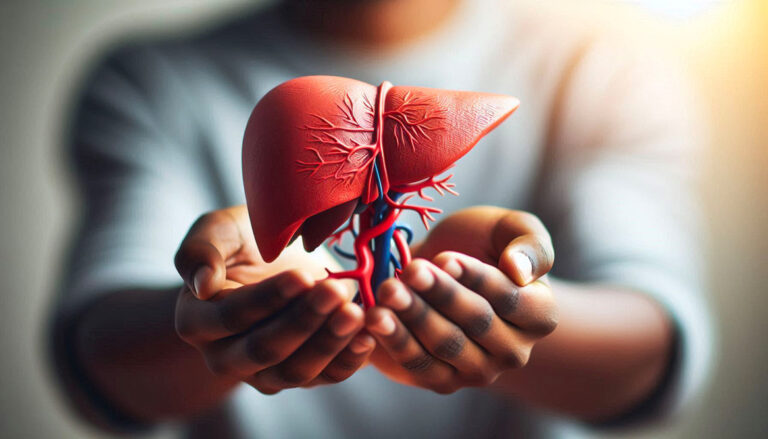
The incidence of liver disease is on the rise in North America as well as globally, creating parallel growth of the supplement market that addresses liver health.
In fact, the global liver health supplements market was estimated at $879.8 million in 2024 and is projected to grow at a CAGR of 6.94 percent from 2025 to 2030, reaching $1,322.7 million (Grand View Research), noted Dr. Liki von Oppen-Bezalel, business development director, TriNutra (New York). “Consumers turning to liver health supplements include those looking to “cleanse,” “unstress” or “detox,” as well as those adults who like to drink alcohol and need the supplements to help support healthy liver function,” she said.
Annie Eng, CEO of Florida-based HP Ingredients, added, “According to market research from Global Market Insights, the liver health supplement market size reached $9.5 billion in 2023, expected to experience a CAGR of 5.6 percent through 2032 – and this is driven by the rising prevalence of liver function insufficiency.
Further, she noted, in 2023, North America held a substantial market share of 38 percent of the global liver health supplements market and is expected to continue to dominate throughout the forecast period (2024 to 2032).
Eng added, “The authors of the report assert, ‘as more people are diagnosed with liver conditions, there is an uptick in medical advice regarding liver health management. Health care professionals often recommend supplements as part of a comprehensive plan thereby increasing their adoption.’”
Brien Quirk, director of R&D with Draco Natural Products (California) said, “Nonalcoholic fatty liver disease (NAFLD) is a leading cause of liver disease worldwide. The estimated global incidence of NAFLD is 47 cases per 1,000 population and is higher among males than females. The estimated global prevalence of NAFLD among adults is 32 percent and is higher among males (40 percent) compared to females (26 percent).1
Evidence-based Ingredients
Greg Cumberford, vice president science & regulatory with Natures Crops International based in North Carolina, said many think of milk thistle, dandelion root and turmeric as go-to herbs supporting liver cleansing and detox functions, but plant-based omega-3s also play a special role. “The gut microbiome and liver are on the front line metabolizing all dietary fats. The liver must process every fat-loaded potato chip, fry, dressing and burger we eat alongside healthier polyunsaturated omega-3s. So, there’s competition for the liver’s enzymes to process all that fat. Not surprisingly, therefore, one of the drivers of higher inflammation in the body is the Western diet’s over-reliance on industrial seed oils high in omega-6 linoleic acid (LA) and low in omega-3s which have been bred out of oils like canola and soy. Each liver cell’s ability to do its job relies on balancing omega-3 and omega-6 intakes. That’s become a challenge,” he said.
“Along with high saturated fats and excess refined sugar (and alcohol) intakes, ‘fatty liver’ frequently emerges alongside ‘leaky gut’ challenges from endotoxins circulating outside the GI (gastrointestinal) tract,” Cumberford continued. “Recent evidence in 2024 points to a new role for plant-based Ahiflower oil which has specific anti-inflammatory liver protective, insulin sensitizing and gut-brain axis benefits2,3 also meeting accepted criteria as a functional prebiotic.4,5 This make sense because Ahiflower oil is not only nature’s richest omega-3 source, it also has very low LA levels—similarly to olive and avocado oils. Ahiflower oil’s uniquely rich anti-inflammatory SDA and GLA fatty acids bypass the liver’s rate limited enzyme step, ‘going easy’ on the liver while providing a balanced variety of anti-inflammatory metabolites that help people look well (gut-skin axis) and feel well (immune support).”
At TriNutra, one botanical ingredient that is gaining extra attention is black seed oil, particularly ThymoQuin, the only USP (U.S. Pharmacopeia)-grade, premium, cold-pressed, standardized black seed oil, said von Oppen-Bezalel. “ThymoQuin is unique due to its composition, which includes naturally occurring 3 percent thymoquinone and a minimum of 1 percent P-Cymene, with very low acidity (low free fatty acids). This unique profile has been clinically shown to boost and ensure its efficacy and safety, as well as significantly improve bioavailability.”
She explained, “This black seed oil, with its potent mitochondrial functions rejuvenation, antioxidant abilities and its role in a healthy inflammation response, is a game-changer in supporting essential mitochondrial functions modulation and aiding in our body’s natural detoxification processes, conversion of bad fat (white) to good fat (brown) in fatty liver and supporting liver functions and health.”
Another ingredient valuable for liver health is Citrus bergamia Risso, grown abundantly on Italy’s southern Calabrian coast, that contains a cache of active compounds demonstrated to support cardiometabolic health as well as liver function support.
“We know that dietary supplements are prohibited by the FDA (U.S. Food and Drug Administration) from carrying disease claims. But for informational purposes, there is a published review discussing the role of bergamot polyphenolic fractions in several characteristics of metabolic associated fatty liver,” said Eng.
The review described evidence showing that bergamot polyphenolic fraction consumption by individuals with metabolic syndrome and NASH (non-alcoholic steato hepatitis) induces a significant reduction of fasting plasma glucose, serum LDL cholesterol and triglycerides alongside with an increase of high-density lipoprotein (the good cholesterol), she said.
Eng added that there are now more than 200 research papers published on bergamot polyphenols with several human clinical studies, showing efficacy for supporting liver function and related cardiometabolic health.
Bergacyn is a patented (U.S. Patent #11,311,594 B2) combination of 50 percent bergamot polyphenolic fraction (BPF) plus 50 percent Cynara cardunculus extract. Bergacyn is standardized to Citrus bergamia Risso (19 percent BPF extract) and Cynara cardunculus (10 percent cynaropicrin), according to the company.
Pre-clinical research has demonstrated that Bergacyn supports liver structure by reducing lipid droplet accumulation, stimulating autophagy, and increasing brown adipose tissue. With this favorable structure alteration, the liver’s function is enhanced, Eng said.
In a 2020 randomized, double blind, placebo controlled clinical study, 80 adult subjects with a history of at least 12 months of insufficient liver function were given either (a) 300 mg/d Bergacyn + 300 mg Bergaflow, (b) 300 mg/d BPF Bergamot extract, (c) 300 mg/d Cynara extract, or (d) placebo. Serum measurements and liver ultrasound analyses showed Bergacyn significantly reduced various liver enzymes and improvement in liver biomarkers.
In a double-blind placebo-controlled trial, 94 individuals with liver challenges were given 300 mg Bergacyn + 300 mg BergaFlow or placebo for six weeks. High urid acid (UA) level activates oxidative stress, inflammation, and the fibrosis pathway. The Bergacyn group showed significant reduction in body weight, BMI (body mass index) and serum uric acid (SUA) levels.
At Draco, Quirk referenced several studies on company-provided ingredients:
• Kudzu-pueraria extract improves alcohol detoxification and liver protection.6
• Reishi mushroom extract reverses fatty liver disease.7
• Artichoke extract improves fatty liver disease according to four studies and reduces liver toxins that cause associated joint distress.8
• Schisandra extract supports liver immune health in hepatitis B patients.9
Quirk added, “Draco has made a great liver support herbal formula based on traditional Chinese herbal medicine and contains mainly astragalus, schizandra, licorice and dandelion, which are known for detoxification, liver regenerative and anti-inflammatory functions.”
Using Caution
For product developers and manufacturers, as well as consumers, there are cautionary details to keep in mind regarding natural liver health ingredients.
Quirk pointed out, “Turmeric, notable for liver health benefits as a cholagogue by helping with bile production for healthy fat digestion, also has liver anti-inflammatory and detox benefits. However turmeric extracts with 95 percent curcumin have ironically shown hepatotoxicity effects in human cases. Draco does not sell the high curcumin extracts but a safer and lower 15 to 20 percent curcumins turmeric extract as a more full-spectrum profile with its other beneficial water-soluble antioxidants and essential oil oleoresins.”
He added, “Milk thistle, one of the long-standing and renowned liver support herbs can cause iron deficiency anemia by its iron chelating effects, though this may be a benefit for those with iron overload as it can help to lower body iron levels.”
Eng noted to use caution when labeling liver health products. “It is imperative to not make any mention about NASH or MAFLD (metabolic associated fatty liver disease), as these are disease states. As these conditions have become more widely discussed in news media, and there are new drugs advertised for NASH, consumers need to be steered toward proactive support of liver function.”
And, Eng said it helps to know certain scientific facts about these conditions. According to a study by the Endocrine Society (June 2023), the percentage of MAFLD, the leading global cause of liver disease, is rising in American adults; this study was presented at ENDO 2023, the Endocrine Society’s annual meeting, Eng noted.
MAFLD, previously known as NAFLD, a risk factor for cardiovascular disease, type 2 diabetes and a common type of liver cancer. If untreated, MAFLD can lead to liver cancer and liver failure. The researchers analyzed data for 32,726 participants from the National Health and Nutrition Examination Survey (NHANES) from 1988 to 2018. Researchers found that overall, both MAFLD and obesity increased with time, with the increase in MAFLD greater than the increase in obesity.
Eng also pointed out that the percent of people with MAFLD increased from 16 percent in 1988 to 37 percent in 2018 (a 131 percent increase) while the percent of obesity rose from 23 percent in 1988 to 40 percent in 2018 (a 74 percent increase), according to study co-author Magda Shaheen, MD, PhD, MPH, MS, of Charles R. Drew University of Medicine & Science. Shaheen stated, “The prevalence of MAFLD increased faster than the prevalence of obesity, suggesting that the increase in the other risk factors such as diabetes and hypertension may also contribute to the increase in the prevalence of MAFLD.”
Additional Tips for Liver Health
There are common-sense wellness practices that support liver health. “The age-old saying is that a healthy diet and regular exercise are still the best ways to support a healthy liver,” said von Oppen-Bezalel. “In addition, avoiding alcohol overconsumption, using certain OTC (over-the-counter) medicines, maintaining a healthy weight, frequent hand washing, and dietary supplementation can also aid in healthy liver function.”
Also, it is important to keep in mind that hydration is critical for proper liver function, Eng added. “Consumers tend to think of hydration as good for skin health and ‘flushing out toxins’, an activity mainly performed by a healthy liver.”
References:
1 https://pmc.ncbi.nlm.nih.gov/articles/PMC10029957/#:~:text=Nonalcoholic%20fatty%20 liver%20disease%20(NAFLD,compared %20to%20 females%20 (26%25).
2 Calder PC, Novel lipid emulsion supports positive outcomes in piglets receiving total parenteral nutrition. J Nutr, 2024. doi: 10.1016/j.tjnut.2024.12.015.
3 Fisk HL, Shaikh SR, Emerging mechanisms of organ crosstalk: the role of 4 Roussel et al (2024) Human gut microbiota and their production of endocannabinoid-like mediators are directly affected by a dietary oil. J Gut Microbes16:1, 2335879. DOI: 10.1080/19490976.2024.2335879 xylipins. Nutrition Bulletin. 2024;00:1–18. doi: 10.1111/nbu.12726.
4 Roussel et al (2024) Human gut microbiota and their production of endocannabinoid-like mediators are directly affected by a dietary oil. J Gut Microbes16:1, 2335879. DOI: 10.1080/19490976.2024.2335879. 5 Fisk HL, Shaikh SR, Emerging mechanisms of organ crosstalk: the role of oxylipins. Nutrition Bulletin. 2024;00:1–18. doi: 10.1111/nbu.12726.
6 https://pubmed.ncbi.nlm.nih.gov/23070022/.
7 https://pubmed.ncbi.nlm.nih.gov/28183232/.
8 https://pubmed.ncbi.nlm.nih.gov/?term=34533249%2C34444810%2C29520889%2C20485248&filter=pubt.clinicaltrial&sort=date&format=abstract&size=200.
9 https://pubmed.ncbi.nlm.nih.gov/17913449/.
For More Information:
Draco Natural Products, www.draconatural.com
HP Ingredients, www.hpingredients.com
Natures Crops International, www.naturescrops.com
TriNutra, www.trinutra.com
![[Sponsored Video] Special Report: Bergamonte®, the Untold Story](https://niemagazine.com/wp-content/uploads/2023/06/sponsored-video-special-report-b-2-300x169.jpg)
![[Sponsored Video] Bergamonte<sup>®</sup>: Italian SuperCitrus. Cardioprotective Science, History, Sustainability. From HP Ingredients.](https://niemagazine.com/wp-content/uploads/2022/09/sponsored-video-bergamonte-itali-300x225.jpg)
![[Sponsored Video] Special Report: Bergamonte®, the Untold Story – Official Teaser](https://niemagazine.com/wp-content/uploads/2022/08/sponsored-video-special-report-b-300x169.jpg)