Introduction: The Rising Focus on Gut Health
The functional food and beverage market continues to grow at a rapid pace as consumer demand for healthy, nutrient dense products increases with evolving lifestyles. The global functional food and beverage market size was $333.34 billion in 2023 and is projected to grow from $364.18 billion in 2024 to $793.60 billion in 2032, at a CAGR of 10.23 percent over the forecast period 2024-2032. In the U.S. the market is expected to reach an estimated value of $117.22 billion by 2032.1
In parallel, consumer interest in gut health has surged as well, with a significant portion of the population recognizing its importance to overall well-being. A survey by the International Food Information Council (IFIC) revealed that 51 percent of probiotic consumers use these products specifically to support gut health, underscoring the growing awareness of digestive wellness. Thirty-eight percent said they used them for general health and wellness, 33 percent for immune health and 13 percent for mental wellness.2
This heightened consumer focus has prompted the functional foods industry to evolve, introducing products tailored to digestive health. The global digestive health products market was valued at $51.62 billion in 2023 and is projected to grow at a compound annual growth rate (CAGR) of 8.3 percent from 2024 to 2030. This growth is driven by the increasing demand for nutritional additives that promote digestive wellness.3
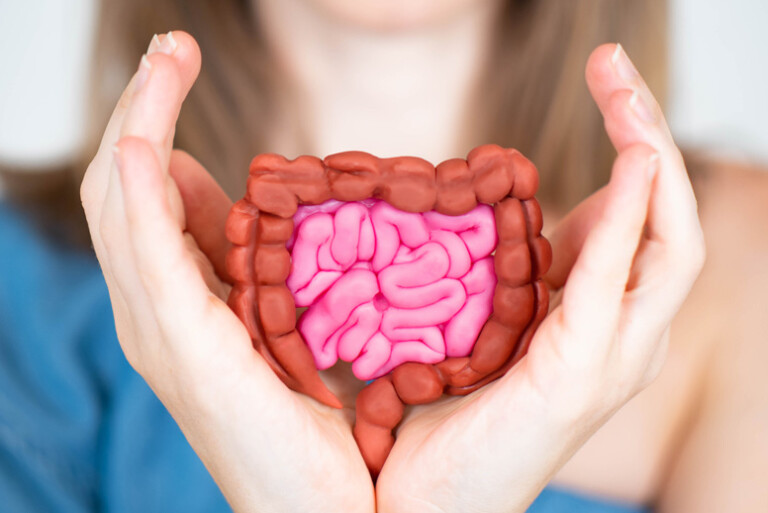
Central to this movement is the gut microbiome—a complex community of microorganisms residing in the digestive tract. Research indicates that the microbiome plays a crucial role in digestion, immunity and even mental wellness. As scientific understanding and research deepens, the microbiome has become the focal point in developing functional foods aimed at enhancing gut health.
Rising consumer awareness and scientific advancements have propelled the functional foods industry to prioritize gut health, with the microbiome serving as a foundational element in this evolution.
The Role of Functional Foods in Gut Health
Functional foods are defined as foods that provide health benefits beyond basic nutrition, potentially enhancing overall well-being and reducing the risk of certain diseases. They include conventional foods like fruits and vegetables, as well as modified products fortified with additional nutrients.
Key ingredients commonly found in gut health products include:
• Probiotics: Live beneficial bacteria that, when consumed in adequate amounts, confer health benefits by maintaining or restoring healthy gut flora.
• Prebiotics: Non-digestible fibers that serve as food for beneficial gut bacteria, promoting their growth and activity. Polyphenolic compounds are gaining awareness and also considered important due to their prebiotic effects.
• Synbiotics: Combinations of probiotics and prebiotics designed to synergistically enhance the survival and colonization of beneficial bacteria in the gut is the traditional definition, however combinations of biotics are also being considered synbiotic if they have synergistic effects (e.g. prebiotic + postbiotic).
o Important Note: Symbiotic vs. Synbiotic. For clarification it’s important to call out the difference between these two terms as they get confused all the time. Symbiotic is a broader term used to describe the relationship between two organisms. For example, the truffle is a fungus that grows on the host tree and has a symbiotic relationship. Whereas a synbiotic is a specific type of product combining probiotics and prebiotics.
• Postbiotics: Probiotics that have been heat killed causing the release of metabolic byproducts, which can have health-promoting effects.
• Dietary Fiber: Plant-based carbohydrates that are not digested in the small intestine but are fermented by gut bacteria, aiding digestion and supporting a healthy microbiome.
Functional foods aimed at gut health are available in various categories, including:
• Fermented Foods: Products like yogurt, kimchi, sauerkraut and kefir contain live cultures that can enhance gut microbiota diversity.
• Functional Beverages: Drinks such as kombucha and probiotic-infused juices are formulated to deliver probiotics and other gut-friendly ingredients.
• High-fiber Snacks: Items like whole-grain bars, nuts and fruit-based snacks provide dietary fiber that supports digestive health.
Manufacturers should start to utilize these types of ingredients in the products they produce to promote a healthy gut. Incorporating these functional foods into the diet can play a significant role in maintaining and improving gut health.
The Science Behind the Microbiome
The gut microbiome comprises trillions of microorganisms residing in the gastrointestinal tract, playing a pivotal role in digestion, immune function and overall health. A balanced microbiome is essential for optimal health, while imbalances, known as dysbiosis, can lead to various health issues.
The gut-brain axis refers to the bidirectional communication between the gut and the brain, influencing mental health and cognitive functions. Research indicates that gut health significantly impacts mood, stress responses and mental well-being. For instance, studies have linked gut microbiota imbalances to conditions such as anxiety and depression.
Emerging research underscores the importance of microbiome diversity in health outcomes. A diverse microbiome is associated with improved immune function, better weight management, and enhanced mental health. Conversely, reduced diversity has been linked to various diseases, including inflammatory bowel disease, obesity and certain mental health disorders.4
Maintaining a healthy gut microbiome is crucial for overall well-being. Strategies to support gut health include consuming a diverse range of fiber-rich foods, incorporating fermented products like yogurt and kimchi, and considering probiotics to promote beneficial bacteria.
Market Trends and Consumer Demand
The rising consumer focus on digestive wellness has expanded the gut health products market. Clear and accurate labeling, along with transparency in ingredients and sourcing, are crucial in meeting consumer expectations and regulatory standards.
Product labeling often features claims such as “probiotic-rich,” “high in prebiotics” and “gut-friendly” to attract health-conscious consumers. These claims are regulated to ensure accuracy and must be substantiated by scientific evidence. The U.S. Food and Drug Administration (FDA) categorizes these into health claims, nutrient content claims and structure/function claims.
Consumers increasingly demand transparency regarding ingredients and sourcing in gut health products. This “clean label” trend reflects a preference for products with natural, minimally processed ingredients and clear labeling. Brands that provide detailed information about their products’ contents and origins are more likely to gain consumer trust and loyalty.
Innovations in Functional Foods for Gut Health
Advancements in gut health have led to the development of innovative products aimed at enhancing the microbiome. These include next-generation probiotics (NGPs), innovative prebiotic fibers, advanced synbiotics and revolutionary postbiotics. These advancements reflect a growing understanding of the complex interactions within the gut microbiome and the development of targeted strategies to support digestive health.
Recent research has focused on developing probiotic strains capable of surviving the digestive process to deliver targeted health benefits. NGPs are being identified and investigated for their potential to modulate the gut microbiome and influence disease development. These NGPs are selected for their resilience in the gastrointestinal environment and their ability to confer specific health advantages.5
Innovations in prebiotic fibers have led to the development of non-digestible food components that selectively stimulate the growth and activity of beneficial gut bacteria. These prebiotics enhance the production of short-chain fatty acids, such as butyric acid, which play a crucial role in maintaining gut health. By promoting a balanced microbiome, prebiotics contribute to improved digestive function and overall well-being.
Cutting-edge products now combine probiotics and prebiotics, known as synbiotics, to synergistically enhance gut health. Synbiotics work together to improve immunity and intestinal health by combining probiotics and prebiotics. Additionally, postbiotics—beneficial metabolites produced by heat killed probiotic bacteria—are being utilized for their health-promoting properties. Postbiotics offer advantages such as improved stability and safety profiles compared to live probiotics, making them a promising area in gut health interventions.6
Regulatory Challenges and Opportunities
The regulatory landscape for probiotics and gut health claims varies significantly across different regions, presenting both challenges and opportunities for innovation in microbiome-targeted foods.
In the United States, probiotics are regulated under existing frameworks for dietary supplements, foods, or drugs, depending on their intended use and claims. The U.S. Food and Drug Administration (FDA) oversees these products, requiring that health claims be substantiated by scientific evidence. However, the regulatory environment is complex, with probiotics often falling into multiple categories, leading to challenges in standardization and enforcement.
In the European Union (E.U.), the European Food Safety Authority (EFSA) evaluates health claims related to probiotics. Notably, the term “probiotic” is considered a health claim in itself, and its use on product labels is restricted unless approved. This stringent approach has led to a regulatory conundrum, with inconsistencies across member states and a lack of harmonization undermining both consumers and industry.
Globally, the regulatory frameworks for probiotics differ, with some countries categorizing them as health foods and others as drugs, based on their intended use. This lack of uniformity poses challenges for international trade and consumer understanding.
Despite regulatory complexities, the field of microbiome-targeted foods is ripe for innovation. Advancements in microbiome research are driving the development of new products aimed at improving human health. Emerging microbiome treatments and commercial opportunities are expected to expand significantly by 2030, with innovations likely to benefit patient care and open new markets.7
Sustainable food production is another area where microbiome innovations are making an impact. By understanding and leveraging the microbiome, the food industry can develop products that promote human health while supporting sustainable practices. However, to fully realize these opportunities, microbiome-friendly legal frameworks need to be established to facilitate the approval of new products and allow rapid market access.8
While navigating the regulatory landscape for probiotics and gut health claims presents challenges, ongoing research and innovation offer promising avenues for growth in microbiome-targeted foods. Establishing harmonized regulations and fostering international cooperation will be crucial in unlocking the full potential of this burgeoning field.
The Future Outlook for Gut Health in Functional Foods
Ongoing scientific discoveries are significantly influencing the development of functional foods aimed at enhancing gut health. Researchers are delving deeper into the complexities of the gut microbiome, uncovering its extensive impact on various aspects of health. This expanding knowledge base is paving the way for innovative product formulations that target specific health outcomes. For instance, advancements in understanding the gut-brain axis have led to the creation of functional foods designed to support mental well-being through gut health.
Consumers historically have only thought of biotics for digestive health, but this has expanded to include immune support and now mental wellness. Therefore, consumer education plays a pivotal role in driving demand for gut health products. As awareness of the microbiome’s influence on overall health grows, consumers are increasingly seeking products that support gut health. Educational initiatives that elucidate the benefits of probiotics, prebiotics and other gut-friendly ingredients are essential in empowering consumers to make informed choices. Surveys indicate that a significant portion of consumers recognize the importance of gut health, with many actively seeking information on how to maintain it.
Continuous research is expanding our understanding of the gut microbiome, leading to innovative functional food products. Educating consumers about the importance of gut health is crucial in driving demand for these products. The functional foods market is expected to diversify, introducing new categories and ingredients aimed at supporting gut health.
Conclusion
The market for functional foods targeting gut health is poised for substantial growth, with emerging product categories and novel ingredients on the horizon. Innovations that include synbiotics, postbiotics, NGPs, etc will capture significant market share with consumers due to the next level health benefits. The incorporation of these elements into functional foods represents a promising area for product development.
Stay tuned for the next article in this series titled “Sustainability in Functional Foods.” Consumers are increasingly demanding products that are produced with sustainable methods and ingredients. The connection between sustainable agriculture and the ingredients that support gut health will be in high demand and drive the future of product development in functional foods. NIE
References
1 www.fortunebusinessinsights.com/functional-foods-market-102269.
2 https://foodinsight.org/consumer-insights-on-gut-health-and-probiotics/.
3 www.grandviewresearch.com/industry-analysis/digestive-health-products-market.
4 www.frontiersin.org/journals/microbiology/articles/10.3389/fmicb.2022.999001/.
5 https://link.springer.com/article/10.1007/s11033-024-09398-5.
6 https://fppn.biomedcentral.com/articles/10.1186/s43014-023-00200-w.
7 https://innovationexchange.mayoclinic.org/emerging-microbiome-treatments-and-commercial-opportunities-for-2030/.
8 www.eufic.org/en/food-production/article/microbiome-innovations-drive-sustainable-food-production-and-human-health.
Dr. William D. Clark, president and founder of Natprologix, has dedicated more than 25 years to advancing the dietary supplement industry at the intersection of science and entrepreneurship. Through Natprologix, he provides expert consulting services to drive innovation, helping companies not only meet regulatory standards but excel in a competitive market. From initial concept to clinical validation, Dr. Clark and his team guide clients through every stage of development, delivering science-backed products ready for market success. In recognition of his career achievements, Clark was recently selected to be featured in The Top 100 Innovators & Entrepreneurs Magazine for 2025 by Redwood Media. Clark is also the producer and co-host of The Bioactive Nexus podcast, a bi-monthly series focused on the science of supplements and elevating industry knowledge. Passionate about translating the science of wellness into practical solutions, Clark is driven by a vision to create products that enhance the physical and mental well-being of millions around the globe.
Email: [email protected]
Websites: www.natprologix.com, www.thebioactivenexus.com, www.williamdavidclark.com
LinkedIn: www.linkedin.com/in/drwdclark
Top 100: www.thetop100magazine.com/dr-william-d-clark




![[Extra! Extra!] Emerging Trends in the Functional Foods and Beverages Space](https://niemagazine.com/wp-content/uploads/2026/05/Food-Drink-Ingredients-300x295-1780000257.jpg)