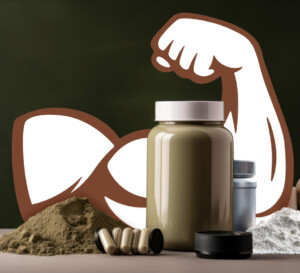
Ingredients for muscle and strength are experiencing a holistic and diverse approach to address consumer expectations.
The muscle and strength category has been expanding from traditional “muscle-building” to holistic muscle health including strength, recovery, mobility and inflammation management.
According to Coherent Market Insights, the global workout supplements market is projected to reach $47.87 billion by 2032, up from $22.91 billion in 2025, a compound annual growth rate (CAGR) of 11.1 percent. North America is expected to lead the market, holding 35.7 percent of the market share in 2025.
“Strength today means a lot more than just lifting heavy weights or having big muscles. While that’s still part of it, we’re seeing a real shift in how people define strength,” said Niki Kennedy, director of insights & content at Glanbia Nutritionals (Chicago, IL). “When we talk to consumers, they’re thinking beyond the traditional image—it’s about mobility, endurance, stamina, even longevity. So, strength isn’t just sheer power anymore; it’s this broader, more holistic concept that spans everything from yoga to weight training.”
“Consumers with an active lifestyle are getting more aware of the benefits of maintaining lean muscle mass and general body strength. We are also seeing this in active women consumers of all ages. Another area is healthy aging where adults 60-plus are taking higher protein-based products to counter muscle loss and hence prevent sarcopenia,” added Mayuresh Bedekar, senior director, product strategy, Bioactives at Glanbia.
According to Rajat Mittal Shah, co-founder of India-based Nutriventia, people are looking beyond synthetic boosters as they shift toward natural, scientifically validated and technology-enhanced solutions. They want clinically supported products that support muscle recovery, reduce inflammation and improve performance holistically.
“As someone who’s been closely watching the evolution of the muscle and strength category, I can confidently say we’re at an inflection point,” Shah said. “The demand is no longer limited to bodybuilders or elite athletes. Today’s consumers ranging from fitness-focused Millennials to aging adults seeking strength and mobility are more informed and expect more from their supplements.”
Market and Category Trends
According to Future Market Insights, the weight training market is projected to grow from $12.1 billion in 2025 to $16.26 billion by 2035 at a CAGR of 3.6 percent. This growth is driven by a greater awareness of maintaining muscle strength, metabolic health and bone health as part of active lifestyles.
“Muscle and strength health involve many factors and act as a marker of overall health, especially with age. Keeping lean muscle mass is vital for those wanting to maintain strength, hormone levels, metabolism and well-being. Relevant ingredients may include those that support muscle growth and recovery, as well as those that help sustain muscle mass,” said Maggie McNamara, vice president of global marketing at Gencor (Austin, TX).
Jordan Miller, vice president, marketing at Nutrition21 (Saddle Brook, NJ), an Everwell Health Company, noted that while many muscle and strength products are still in the sports and performance space, the category is diversifying and are now appearing in adjacent supplement segments such as healthy aging products, functional beverages and active lifestyle brands.
Nora Khaldi, founder and CEO of Nuritas (Stamford, CT) said more people are looking for ways to support muscle growth, retention and recovery. These trends include increased interest in strength training, growing use of GLP-1 agonists and an emphasis on healthspan.
“As we’ve seen over the past 18-plus months, protein remains a significant trend because of how it helps consumers meet these goals,” Khaldi said. “This is resulting in increased interest in isolated amino acids and cell-signaling peptides. For GLP-1 agonist users, especially, protein is crucial to support muscle retention since muscle loss is a key concern.”
Annie Eng, CEO of Florida-based HP Ingredients, said sales of supplements aimed at enhancing muscle growth and strength remain vigorous as more women and seniors are performing weight-bearing exercises to achieve more strength.
“For many younger women, there is also a strong desire to appear ‘cut,’ as this is considered a highly attractive physical quality. Senior women are admonished by their physicians that weight-bearing exercise has been proven to help slow bone density loss,” she said.
According to Marianne McDonagh, vice president, sales, at Bioenergy Life Science (BLS, Ham Lake, MN), the muscle and strength category is experiencing big shifts. Regulatory enforcement agencies are cracking down in exaggerate claims and are demanding real science behind ingredients and pushing for greater transparency.
“Perhaps the most exciting shift is in what consumers now expect. While focus on muscle and strength remain foundational, more buyers are turning their attention to optimizing how well they age. There’s growing awareness around the difference between chronological age (how old you are), and biological age (how old your body performs and feels),” she said.
Ingredient Trends
According to Kennedy, there is a lot of activity around the basics including protein, hydration and energy. Other specialized supplements such as collagen, creatine and branched-chain amino acids (BCAAs) are gaining momentum especially among consumers who are not focused on performance.
“To meet the growing demand for protein, innovative applications and sources have emerged to enhance offerings, like protein chips and protein-packed yogurts. Familiar products like protein powders are injecting new life into their lineups with exciting flavors and big-name partners like Chips Ahoy!” Khaldi said.
Dr. Edward Dosz, vice president, science & innovation at NutriScience Innovations (Milford, CT) added there is a focus on synergistic blends that support strength, endurance and recovery.
“Traditional ingredients like creatine and branched-chain amino acids (BCAAs) are now being combined with electrolytes, adaptogens and ingredients that support stress and focus. Products are being formulated with a more holistic view addressing inflammation, hormonal balance and mental focus alongside physical performance,” he said.
Miller added protein is still the cornerstone ingredient for muscle building, but there is a rise in high-protein powders, bars, snacks, supplements and beverages. There are still formulation challenges, which can compromise taste and nutrition. There is also increased opportunity for science-backed ingredients and synergistic blends.
“By supporting key physiological mechanisms with science-backed ingredients that are aligned to the benefits consumers are looking to address, brands can create new products that really stand out from the sea of basic protein shakes and ‘kitchen sink’ powders,” Miller said. “Those traditional protein shakes and powders have typically included a range of ingredients yet oftentimes not even at efficacious doses.”
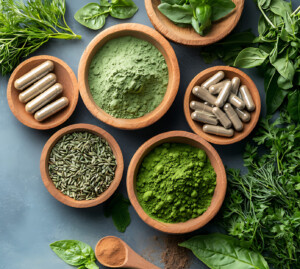
According to Eng, there is a growing trend of plant-based supplements for fitness especially muscle growth support. At the top of the list are plant-based proteins as an alternative to whey proteins and specific herbs such as Eurycoma longifolia.
McDonagh observed novel delivery systems and clinically validated doses are on the rise and will hopefully eliminate “fairy dusting.” Consumers now expect real results and brands are responding with targeted, personalized formulations designed to match specific goals and lifestyles.
“We’re also seeing a renaissance in trusted, time-tested ingredients, with formulators reimagining classics in ways never seen. Creatine, for example, was once seen as just a gym staple. Now it is embraced by many across all age groups in a variety of products targeting everything from sports nutrition to cognitive health,” she said.
McNamara noted there is increasing attention on women in sports. They have many unique and differing needs compared to men.
“Historically, the underrepresentation of women in clinical trials has caused a lack of evidence-based developments for female sports and active nutrition,” she said. “Currently, the market mainly features ingredients studied in relation to male physiology and, as a result, marketed to women without a full understanding of or proper focus on what women need in this area.”
According to Ståle Søfting, sales and marketing director at Norway-based GC Rieber VivoMega, the modern fitness landscape is being shaped by increasingly sophisticated consumers who demand more from nutritional products.
“Today’s active consumers are seeking active ingredients that support them during their wellness journey, including before, during and after a workout routine for optimal performance, sustained energy, recovery and more,” he said.
What Consumers Want
The muscle and strength category now encompasses a diverse consumer base spanning numerous age groups and demographics.
“The strong shift to preventive health across generations is significantly broadening this category. People of all ages are prioritizing muscle health and strength for their key roles in long-term wellness and vitality,” McDonagh said.
Shah observed fitness-conscious young adults (aged 18-35) are looking for quick, high-impact recovery aids such as ready-to-drink (RTD), powders and capsules, older adults (aged 50 and older) want joint support and recovery aids that are safe and effective, and women (especially aged 40 and older) are an emerging demographic who want clean-label products that align with their holistic wellness goals.
“Men have traditionally been the primary purchasers of muscle and strength supplements; however, as more research is being conducted on this topic for women, we are also seeing an increase in female purchases of supplements to support their physical needs,” McNamara added.
Miller said muscle and strength products are typically aimed at sports nutrition consumers focused on peak strength, building muscle mass and physical performance. However, the category has expanded to active lifestyle consumers and the aging population.
Miller explained the first group is those who may not be involved in competitive sports or bodybuilding but are “engaged in healthy habits and maximizing physical health” such as lifting, cross-fit, hiking, yoga and Pilates. The second group is those who are aware of the importance of maintaining muscle mass and strength not only for physical reasons, but also for “independence and quality of life.”
“For a long time, the industry has looked at active consumers as either a hardcore athlete or someone who worked out casually. But that view doesn’t really hold up anymore. As fitness, wellness and self-improvement have become more mainstream, we’re seeing the rise of this new middle ground—the fitness enthusiast,” Kennedy said. “These are people who take fitness seriously, but not necessarily in a competitive way. They’re consistent, intentional and they work out because it makes them feel better—more energized, focused and confident.
Khaldi added the muscle and strength category no longer caters only to avid gym-goers and athletes.
“General consumers recognize the importance of muscle for everyday health, regardless of their gender, age or activity level. Over the years, these audiences have grown through interest in strength training—whether through weights, Pilates or powerlifting—and accessible entry points like TikTok and YouTube,” she said.
“From novice to expert, consumers of all ages are utilizing technology, nutrition, and weight training to help them build muscle and strength. Some individuals are motivated by overall health and longevity, while others focus on achieving specific muscle gains,” added Søfting.
Innovative Ingredients
There is a growing variety of ingredients designed to support muscle and strength.
Nutriventia’s TurmXTRA 60N is a turmeric ingredient that blends ayurvedic tradition with modern delivery science to address one of the most persistent challenges in muscle health: poor curcumin absorption. It delivers 10 times better availability than standard curcumin in a daily 250 mg dose.
“It’s a Clean Label Project certified, solvent-free solution that empowers active lifestyles by supporting resilience, flexibility and performance whether your target consumer is a regular gym-goer or an aging adult focused on maintaining movement and strength,” Shah said. CreaBev from Glanbia is a soluble and stable creatine monohydrate specially designed for improved performance.
“Creatine occurs naturally in the body and is commonly sold as creatine monohydrate as a dietary supplement,” Bedekar said. “About 95 percent of the body’s creatine is stored in the muscles, mainly in the form of phosphocreatine. Supplementing increases stores of phosphocreatine which is a form of stored energy in cells. This helps the body produce more adenosine triphosphate (ATP), an energy molecule.”
GC Rieber is known for its omega-3 fatty acid ingredients. EPA and DHA are often an underrated ally for muscle building, strength and recovery.
“They have been shown to support a healthy inflammatory response and help to reduce muscle soreness, enabling a faster recovery and more consistent training,” Søfting said. “Omega-3s have also been shown to maintain lean muscle mass and strength, especially in older adults, as well as improve blood flow to muscles by supporting nitric oxide production and vasodilation.”
PeptiStrong from Nuritas boosts protein’s effect two times and has been clinically shown to support strength and recovery. It is a cell-signaling peptide that instructs the natural pathways in the body to help it function at its best. It reduces muscle breakdown, increases muscle synthesis and supports energy production, Khaldi explained.
Gencor provides a range of ingredients for both athletic men and women that cater to various needs such as muscle strength and growth, endurance, body composition, aerobic performance and recovery. The ingredients include Levagen+, HydroCurc, Testofen, Tesnor, Libifem and ActivAMP.
According to McNamara, the weight management industry is surging in popularity after the rise of GLP-1 agonists, but there are concerns these products might negatively affect muscle mass, health and function.
“While more research is necessary before definitive conclusions can be reached, we are noticing increased interest in our GLP-1 booster, Trpti, which contains an oleoylethanolamide (OEA) ingredient,” she explained. “OEA is a fatty acid amide produced by the body that signals to the brain when we’re full. OEA helps regulate appetite and energy balance. It has no known side effects and supports a healthy gut, microbiome and weight management.”
NutriScience has several key ingredients designed to support muscle performance, recovery and mental focus, both for serious and active lifestyle consumers. These ingredients include MalTor, NutriGP and Suntheanine.
HP Ingredients’ LJ100 significantly improves muscle tone and strength and improves thyroxin profile, resulting in minimized age-related muscle mass loss. LJ100 has been researched in humans for more than 20 years and has a large amount of published research, Eng said.
For more than 20 years, BLS’ Bioenergy Ribose has been a trusted ingredient in the muscle and strength category thanks to its unique role in replenishing ATP, the body’s core energy source. “This isn’t about getting a caffeine jolt. It’s about replenishing the cellular energy needed to power through everyday life. Everyone constantly uses energy, and Bioenergy Ribose helps produce it naturally and efficiently,” McDonagh said.
BLS also developed RiaGev, a patented complex of D-ribose and vitamin B3, the first ingredient shown to increase NAD+, ATP and glutathione, supporting cellular health, longevity and changing the way we age, by delivering foundational strength that support healthier living and resilience, McDonagh explained.
Two key ingredients for muscle and strength from Nutrition21 are Velositol and Nitrosigine. According to Miller, Velositol is a patented complex of amylopectin and chromium designed to promote muscle protein synthesis. Velositol promotes a normal insulin response and enhances the uptake of amino acids into muscle cells.
“When paired with protein, Velositol helps maximize the benefits for health, including strength, muscle endurance and power. In a clinical trial, when used with whey protein, Velositol amplified the impact of muscle protein synthesis, helping users get more from their protein and provide the support for healthy, active muscles,” Miller explained.
Nitrosigine is a patented complex of arginine silicate offering a unique bioavailable form of arginine. Nitrosigine is clinically shown to boost nitric oxide production in the body, which helps promote better blood flow especially to the muscles and brain, according to Miller.
“Nitrosigine has been shown to improve vasodilation for healthy blood flow throughout the body, including to working muscles for muscle pump and also helps users feel more energized throughout their workout,” Miller explained. “Nitrosigine also delivers cognitive benefits, demonstrated to improve reaction time, mental flexibility and to prevent declines in cognitive performance caused by intense exercise.”
For Product Manufacturers
It is crucial for manufacturers to understand how to formulate with ingredients and what formats will appeal to consumers.
“Modern consumers expect results-driven products that are clean-label, convenient and clinically supported,” Shah said. “As lifestyles get busier, the demand has shifted toward portable, easy-to-use formats with innovations like RTDs (ready-to-drink), single-serve sachets, gummies and effervescent tablets becoming mainstream. Manufacturers today face the challenge of delivering fast, measurable results in formats that can meet these consumer needs.”
“Manufacturers are under pressure to deliver effective products that resonate with their target buyers. BLS makes it easier to incorporate our science-backed ingredients into a wide range of popular formats, ranging from on-the-go RTD beverages and stick packs, to powdered stacks, capsules, tablets, bars, gummies and more,” McDonagh added.
Dosz said to meet evolving consumer expectations, consumers should focus on transparent ingredients, clinically validated dosages and functional combinations that go beyond “simply muscle growth.”
“Blending performance and wellness ingredients can address multiple goals, like muscle recovery, mental health and hydration in a single formula. Additionally, tailoring supplements to specific demographics, such as women, aging adults or weekend warriors can help brands differentiate in a saturated market,” he explained.
Khaldi said with many high-protein options available on the market, manufacturers can differentiate themselves and consumers are constantly seeking the best products to support their health and wellness goals. PeptiStrong can help manufacturers support improved muscle performance, reduce muscular fatigue and promote muscle protein synthesis.
“Standard sources of creatine have poor solubility and are not stable in water due to the degradation to creatinine. Creatinine is the waste product derived from creatine and provides no benefits to the body. Creatinine is removed from the body as waste. The rapid degradation of creatine in solution impedes the manufacture of shelf-stable beverages containing efficacious amounts of creatine,” Bedekar said.
Conclusion
“As the line between sports nutrition and general wellness continues to blur, there’s an opportunity for brands to position muscle and strength supplements as part of a broader health and longevity strategy,” Dosz said. “Education around the benefits of maintaining muscle mass such as metabolic health, mobility and cognitive wellness can help expand the category.” NIE
For More Information:
Bioenergy Life Science (BLS), www.bioenergylifescience.com
GC Rieber VivoMega, www.vivomega.com
Gencor, www.gencorpacific.com
Glanbia Nutritionals, www.glanbianutritionals.com
HP Ingredients, www.hpingredients.com
Nuritas, www.nuritas.com
NutriScience Innovations, www.nutriscienceusa.com
Nutrition21, www.nutrition21.com
Nutriventia, www.nutriventia.com


![[Extra! Extra!] The Connection Between Aspirin Use and the Risk of Falls and Fractures](https://niemagazine.com/wp-content/uploads/2026/04/Bone-and-Joint-300x284-1777484568.jpg)