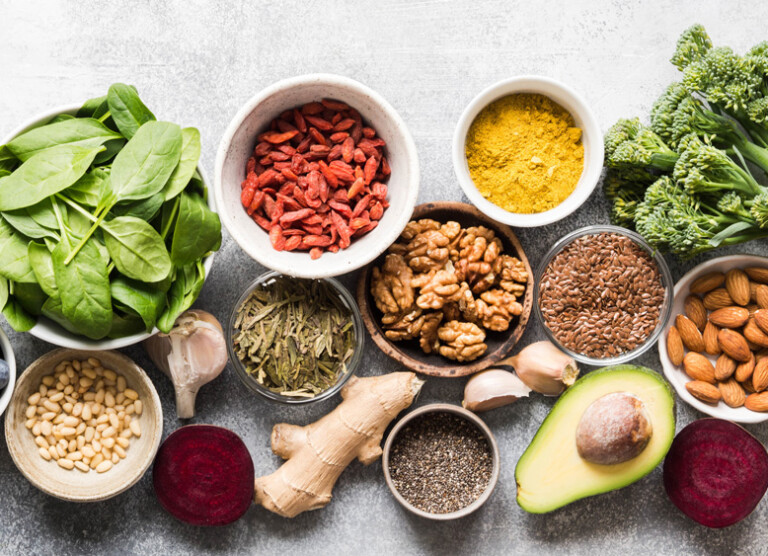
The Growing Demand for Sustainable Functional Foods
The consumer demand for sustainability in foods has increased by 18 percent since the prior year to a total of 42 percent of consumers that now consider sustainability in their buying decisions. This is the highest recorded level according to a recent survey. In addition, cost has become less of a barrier when it comes to purchasing environmentally friendly products. This is a decrease of 4 percent since 2022 and 7 percent since 2019.1 According to the World Economic Forum, 65 percent of global consumers are committed to making healthier and more sustainable choices. Unfortunately, consumers don’t have enough time or the right information to make sustainable choices. Product brands need to do a better job educating the consumers.2
Sustainable agricultural practices are closely linked to the production of ingredients that promote gut health and overall wellness. For instance, upcycling agricultural byproducts into functional food ingredients not only reduces environmental impact but also contributes to a circular economy. Companies like Brightseed, who I’ve had the pleasure of working with, utilize artificial intelligence with their Forager platform to identify new bioactive compounds in plants.3 It is a vast untapped treasure trove! One such example included bioactives that were identified from upcycled hemp fiber. They supported gut health and are now incorporated into some food products. It’s this kind of technology that will help advance sustainability in functional foods.
Sustainability initiatives are now key drivers for many companies in the natural products industry today. Gone are the days when this was considered trendy as we enter a new era of innovation in the functional food space. The development of sustainable functional foods involves sourcing, production and processing methods that minimize environmental impact while enhancing health benefits. This approach not only addresses consumer demand for eco-friendly products but also contributes to sustainable development goals by promoting health and well-being through nutritious food options.4
Defining Sustainability in Functional Foods
Sustainable ingredients are those produced with minimal environmental impact, often involving practices like regenerative farming and the use of renewable resources. These practices focus on maintaining soil health, conserving water and reducing greenhouse gas emissions. For example, regenerative agriculture emphasizes soil conservation and biodiversity, enhancing nutrient cycling and supporting sustainable food production. For instance, I worked with a company some years ago that was committed to sustainable practices in the production of their ingredients. They harvested the fresh leaves from the tree while ensuring the tree was able to continue to produce more leaves. They developed special equipment that allowed this type of harvest. The leaves were then processed through heated water extraction in a facility located on the farm. The water came from a nearby spring. The leaf pulp after extraction was then fed into the worm farm that produced nutrient rich fertilizer that was collected and directly pumped back into the water irrigation system for the trees. This cyclical process ensured a renewable, environmentally friendly approach to creating their unique leaf extract.
Sustainability in functional foods extends throughout the product lifecycle, encompassing sourcing, production, packaging and waste management. And while there is no legal definition for what is considered “sustainable” it is generally recognized as a holistic approach that ensures each stage minimizes environmental impact. For instance, sourcing sustainable ingredients involves selecting materials grown and produced in ways that respect natural resources and biodiversity. Unfortunately, soil in many parts of the world has been mismanaged, creating carbon deficiencies as much as 50-70 percent. Hence the appeal of regenerative agriculture which acquires carbon from the atmosphere and can replenish the soil.5 In production, employing ecologically sound technologies can reduce energy consumption and waste. Packaging choices, such as using compostable materials, further contribute to sustainability efforts.
For billions of years microbes have evolved to become ubiquitous in our environment. In turn they have been present in the foods that humans eat. So much so that we have more microbes in and on our bodies than we have human cells! Sustainable farming practices, such as regenerative agriculture, positively influence soil health by enhancing microbial diversity and nutrient content. Healthy soils lead to the cultivation of nutrient-rich crops, which, when consumed, support a balanced human gut microbiome. This connection underscores the importance of sustainable agriculture in producing functional foods that promote gut health and overall wellness.6 By integrating sustainable practices across all stages, the functional food industry can contribute to environmental conservation while supporting human health.
Sustainable Ingredient Sourcing for Gut Health
Sustainable ingredient sourcing is pivotal in developing functional foods that promote gut health. Innovations in regenerative agriculture, probiotic sourcing and upcycling are contributing to this endeavor.
Regenerative farming practices are increasingly employed to cultivate key gut health ingredients, including prebiotic fibers, resistant starches and components for fermented foods. These practices focus on enhancing soil health, biodiversity and ecosystem resilience, leading to the production of nutrient-rich crops that support the human microbiome. This approach has reached a critical stage to feed an ever-growing population on the planet. For example, regenerative agriculture can improve the quality of plant-based foods, thereby enriching the prebiotic content essential for gut health.
Sourcing sustainable probiotics presents challenges, such as ensuring the viability of strains during production and distribution and minimizing environmental impact. Innovations in fermentation and bioprocessing are addressing these issues. For instance, companies are developing efficient fermentation processes that reduce resource consumption and enhance the stability of probiotic cultures, contributing to more sustainable production methods. In addition to probiotics many bioactive ingredients today are migrating towards a fermentation production process rather than a traditional chemical produce to minimize environmental impact.
Upcycling food waste into functional ingredients is an emerging strategy to promote gut health while enhancing sustainability. By transforming byproducts like fruit peels, vegetable trimmings and spent grains into fiber-rich additives, manufacturers can create functional foods that support the microbiome.7 This approach not only reduces food waste but also provides consumers with products enriched in prebiotic fibers and other beneficial compounds. Incorporating these sustainable practices in ingredient sourcing not only supports environmental health but also contributes to the development of functional foods that promote gut health.
The Role of Plant-based Ingredients
Plant-based ingredients play a crucial role in developing functional foods that support both sustainability and gut health. A recent review of literature that evaluated plant-based diets and their effect on gut microbiota requires much more research in this area.8 However, the rise of plant-based functional foods, such as legumes, whole grains and seaweed, reflect a growing consumer interest in products that promote health and environmental sustainability. These foods are rich in essential nutrients and fiber, contributing to improved gut health. Legumes and whole grains provide dietary fibers that support beneficial gut bacteria, while seaweed offers unique polysaccharides with prebiotic effects.
Plant-based fibers are beneficial for gut health, as they serve as prebiotics, nourishing beneficial gut bacteria. We will talk more about this topic later in this series when we discuss the role of polyphenols in functional foods. Sustainable sourcing of these fibers involves practices that maintain soil health and biodiversity, ensuring a continuous supply of high-quality plant materials. For example, whole-food dietary fibers from sources like whole grains and legumes have been shown to promote beneficial gut microbes, such as Clostridia, which are associated with anti-inflammatory effects. Processed foods quite often remove fiber that is crucial for beneficial microbes that support anti-inflammatory health outcomes.9
So, let’s now address the carbon footprint challenge. Incorporating plant-based ingredients into functional foods can significantly reduce the carbon footprint compared to animal-based products. Plant-based diets are more environmentally sustainable, as they use fewer natural resources and are associated with less environmental damage. However, the number of vegetarian and vegan consumers is still significantly lower than that of omnivores.10 Promoting the shift to a plant-based diet will require more consumer acceptance and an understanding of the importance of plant-based diets to make a significant impact environmentally. Most importantly, it requires transcending cultural perceptions based on religion or animal cruelty and looking at the bigger picture. This shift not only supports environmental sustainability but also aligns health goals by providing nutrient-dense foods that promote gut health. By focusing on plant-based ingredients, the functional food industry can help shift the conversation by developing products that are both health-promoting and environmentally sustainable.
Packaging and Waste Reduction
The functional food industry is increasingly adopting sustainable practices in packaging and waste reduction to minimize environmental impact and meet consumer expectations as well.11 Innovations in packaging include the use of biodegradable, compostable and recyclable materials. For years now many companies have been researching and have now developed plant-based plastics, edible packaging made from seaweed or algae, and recycled materials to reduce waste. It is no longer a niche area of the natural products industry. These eco-friendly solutions not only decrease environmental impact but also enhance shelf life and reduce material usage. To further reduce waste, some companies are implementing upcycled packaging, transforming food industry byproducts into new packaging materials. This approach not only minimizes waste but also promotes a circular economy within industry.
Sustainable packaging significantly influences consumer purchasing decisions. Studies show that most consumers are willing to pay more for products with eco-friendly packaging. For example, a McKinsey survey found that approximately 60 percent of consumers are willing to pay extra for sustainable packaging.12 This trend reflects a growing consumer preference for environmentally responsible products. By embracing sustainable packaging and waste reduction initiatives, the functional food industry not only addresses environmental concerns but also aligns with consumer values, potentially enhancing brand loyalty and market share.
Challenges and Opportunities in Scaling Sustainability
Scaling sustainability in the functional foods sector, particularly those aimed at supporting gut health, presents both challenges and opportunities. Sourcing sustainable ingredients for functional foods involves navigating complex supply chains. Challenges include ensuring consistent quality and availability of raw materials, maintaining transparency and managing costs associated with sustainable practices. Implementing sustainable sourcing requires collaboration across various stakeholders to ensure that ingredients are produced and delivered in an environmentally friendly and socially responsible manner.
Various certifications provide transparency and build consumer trust in sustainable products. Key certifications include:
• Organic: Ensures products are produced without synthetic pesticides or fertilizers.
• Non-GMO (Genetically Modified Organism): Indicates products are free from genetically modified organisms.
• Fair Trade: Promotes fair labor practices and equitable trade relationships.
• Certified Humane: Ensures the humane treatment of animals in food production.
• Food Alliance: A third-party certification that ensures safe and fair working conditions, humane animal treatment and careful stewardship of ecosystems.
These certifications help consumers make informed choices and encourage producers to adhere to sustainable practices.
Brands are innovating to integrate sustainability into their core values while delivering gut health benefits. This includes developing new functional ingredients that support both health and environmental goals. For example, companies are exploring the use of alternative proteins and fibers derived from sustainable sources to create products that promote gut health and have a lower environmental impact. By addressing these challenges and leveraging opportunities for innovation, the functional food industry can scale sustainability while supporting consumer health.
Future Trends in Sustainable Functional Foods
The functional food industry is witnessing emerging trends that intertwine sustainability with gut health, reflecting a shift towards more eco-friendly and health-conscious consumer preferences. Local sourcing and the adoption of circular economy principles are gaining traction in the functional food sector. By prioritizing locally sourced ingredients, companies reduce transportation emissions and support regional agriculture, leading to fresher products and a smaller carbon footprint. The circular economy approach involves repurposing food byproducts into valuable ingredients, thereby minimizing waste and promoting resource efficiency. For instance, upcycling agricultural byproducts into functional food ingredients not only reduces environmental impact but also contributes to a circular economy.
The future of functional foods lies in products that simultaneously address sustainability and gut health. Innovations such as climate-friendly probiotics and algae-based supplements exemplify this trend. Algae, for example, can be cultivated with minimal resources and has a low environmental impact, making it a sustainable ingredient choice. Additionally, algae-based supplements offer health benefits, including support for gut health, due to their rich content of bioactive compounds.
Educating consumers about the connection between sustainability and gut health is crucial for empowering informed choices. As awareness grows, consumers are more likely to seek products that align with both health and environmental values. Providing transparent information about sourcing, production practices and the dual benefits of functional foods can enhance consumer trust and drive demand for sustainable options. Studies have shown that consumers are increasingly considering sustainability in their purchasing decisions, indicating a need for continued education on how these factors are interconnected.13
By embracing these trends, the functional food industry can develop products that are both beneficial to consumer health and the environment, meeting the evolving demands of today’s conscientious consumers.
Sustainability as a Pillar of Gut Health
As the functional food industry continues to evolve, sustainability will remain a driving force in innovation, ingredient sourcing, and consumer engagement. By embracing regenerative agriculture, upcycled ingredients, plant-based alternatives and eco-conscious packaging, brands can align their products with both environmental responsibility and consumer demand for gut health solutions. While challenges such as supply chain complexities and regulatory hurdles persist, the opportunities for growth in sustainable functional foods are immense. Educating consumers about the connection between sustainability and gut health will be critical in shaping purchasing decisions and fostering long-term industry success. As we look to the future, the convergence of scientific advancements, sustainable practices and mindful consumer choices will define the next era of functional foods—one that not only nourishes the body but also preserves the planet. The push for mainstream sustainability is still growing, but you can help drive this by the conscious choices you make today to live a healthy lifestyle that will impact your health and the planet.
What’s Coming Next in the Series—Functional Foods for Immune Support
As sustainability continues to shape the functional food industry, another critical aspect of health and wellness is gaining momentum—immune support. The demand for immune-boosting products has surged in recent years, with consumers seeking natural ways to strengthen their defenses, especially post-pandemic. Emerging research highlights a powerful connection between gut health and immune function, reinforcing the importance of the microbiome in regulating immunity. In the next installment of this series, we will explore how functional foods play a pivotal role in immune support, from probiotics and prebiotics to medicinal mushrooms, vitamins and botanicals. Join us as we dive into the science, key ingredients, and innovations driving the next wave of functional foods designed to enhance both gut and immune health. NIE
References:
1 www.fooddive.com/news/more-than-40-of-consumers-factor-in-sustainability-when-purchasing-food-s/648201/.
2 www.weforum.org/stories/2023/01/consumer-power-net-zero-food-producer-retailer-davos23/.
3 www.futurebridge.com/industry/perspectives-food-nutrition/functional-foods-and-the-rising-focus-on-gut-health/.
4 www.frontiersin.org/research-topics/65501/sustainable-functional-foods-sourcing-production-and-process.
5 www.foodbusinessnews.net/articles/24272-sourcing-sustainable-ingredients.
6 https://sustainability.illinois.edu/the-microbiome-connection-from-farm-to-food-to-human-health.
7 www.vitafoodsinsights.com/functional-food-beverages/from-waste-to-wellness-how-upcycled-bread-is-improving-functional-foods.
8 https://pmc.ncbi.nlm.nih.gov/articles/PMC10057430.
9 www.purdue.edu/newsroom/2024/Q1/promoting-beneficial-gut-microbes-with-whole-food-dietary-fiber.
10 https://pmc.ncbi.nlm.nih.gov/articles/PMC7912826.
11 https://greenpaperproducts.com/blog/the-ultimate-guide-to-food-packaging-sustainable-innovative-and-functional-solutions.
12 www.mckinsey.com/industries/packaging-and-paper/our-insights/sustainability-in-packaging-us-survey-insights.
13 www.futurebridge.com/industry/perspectives-food-nutrition/functional-foods-and-the-rising-focus-on-gut-health.
Dr. William D. Clark, president and founder of Natprologix, has dedicated more than 25 years to advancing the dietary supplement industry at the intersection of science and entrepreneurship. Through Natprologix, he provides expert consulting services to drive innovation, helping companies not only meet regulatory standards but excel in a competitive market. From initial concept to clinical validation, Clark and his team guide clients through every stage of development, delivering science-backed products ready for market success. In recognition of his career achievements, Clark was recently selected to be featured in The Top 100 Innovators & Entrepreneurs Magazine for 2025 by Redwood Media. Clark is also the producer and co-host of The Bioactive Nexus podcast, a bi-monthly series focused on the science of supplements and elevating industry knowledge. Passionate about translating the science of wellness into practical solutions, Clark is driven by a vision to create products that enhance the physical and mental well-being of millions around the globe.
Email: [email protected]
Websites: www.natprologix.com, www.thebioactivenexus.com, www.williamdavidclark.com
LinkedIn: www.linkedin.com/in/drwdclark
Top 100: www.thetop100magazine.com/dr-william-d-clark