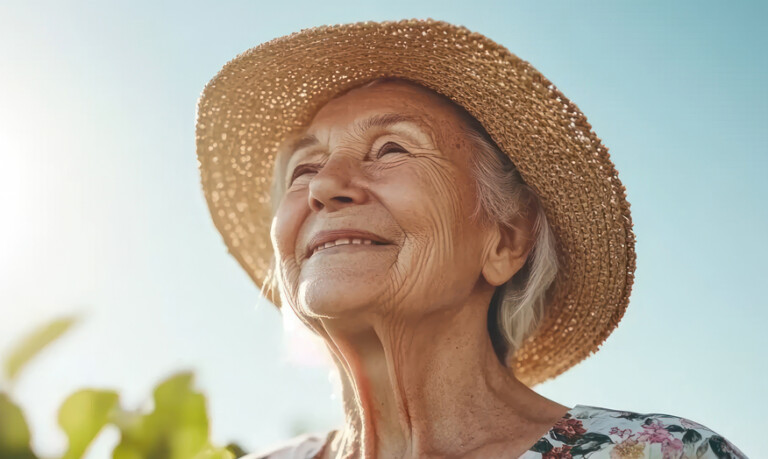
Science-backed ingredients help maintain health and wellness in an aging world.
In a January 2026 report from Innova Market Insights,1 consumers of all ages care more about healthy aging. Older adults, such as Boomers and Generation X, are focusing more on physical and social well-being. Younger generations, such as Millennials and Generation Z, care more about appearance and emotional support.
The world’s population is aging and virtually every country in the world is experiencing growth in the number and proportion of older people. Around 73 percent of consumers globally consider healthy aging extremely important or very important, according to the report.
For brands to innovative effectively, it is important to understand the health issues consumers want to address and what types of products they’re interested in.
“As populations live longer, the focus is shifting from merely extending lifespan to enhancing ‘health span’—the period of life spent in good health, free from chronic disease and disability,” said Cosimo Palumbo, CCO of Indena USA (Aliso Viejo, CA). “This paradigm shift defines the burgeoning ‘age well’ trend, a holistic approach to aging that prioritizes physical vitality, mental acuity and social engagement. Individuals are no longer content with passive aging; on the contrary they want to actively take care of their ‘social aging’ seeking ways to maintain their independence, pursue their passions, and contribute meaningfully to society well into their later years.”
“Longevity has clearly shifted toward aging well, not just aging longer. The focus today is on health span, maintaining energy, mobility, cognition and metabolic balance as people age,” added Andrea Zangara, scientific communication advisor at Spain-based Euromed S.A. “We’re seeing strong growth in solutions targeting inflammaging, gut health, muscle function and stress resilience, all areas that directly affect daily quality of life. Personalization is also accelerating, with biomarker and microbiome guided approaches gaining traction.”
Trends
According to Grand View Research, the global anti-aging supplements market was estimated at $4.47 billion in 2024 and is expected to reach $6.99 billion by 2030, a compound annual growth rate (CAGR) of 7.89 percent.2
“The specific trends I’ve observed for longevity and aging are a focus on memory, mobility and aging well. Some of the methods used are those that address the 12 hallmarks of aging, including autophagy,” said Gene Bruno, DBM, MS, RH(AHG), chief scientific officer at Nutraland USA (Irvine, CA).
“The latest trends in longevity are all about going deeper, shifting from surface level aging solutions to approaches that target aging at a cellular level. Today’s consumers and brands are prioritizing ways to boost mitochondrial energy, enhance DNA repair, and reduce oxidative stress, before it translates into visible or biological aging,” added Dr. Edward Dosz, vice president of science and innovation at NutriScience Innovations (Milford, CT).
According to Lisa Miller, global communications director at Norway-based Aker BioMarine Human Ingredients, 2026 is putting more spotlight on science-backed solutions designed to extend both longevity and health span. Mobility, cognitive vitality, metabolic health and emotional resilience are now considered interconnected pillars of healthy aging.
“Over the next year and beyond, healthy aging will be more about the body–mind connection and understanding that physical and mental health are inseparable, and that movement, nutrition and cognition need to work together as one integrated system,” Miller said.
According to Mit Mehta, strategy and business development director at Texas-based Unibar Corporation, consumers are approaching aging more holistically and are moving beyond a purely symptom-based model and toward addressing underlying biological drivers. Both consumers and researchers are interested in the cellular mechanisms of aging.
“Elevated levels of reactive oxygen species (ROS) can impair mitochondrial function, driving oxidative stress and cumulative cellular damage. The eye is a clear example of how these cellular processes show up visibly. Take, for example, age-related eye health conditions, such as macular degeneration and glaucoma, where oxidative stress is a primary contributor,” Mehta said.
Isabel Gómez, global marketing manager of Ohio-based Lubrizol Nutraceuticals, said the focus has shifted from adding years to health span—namely sustaining energy, mobility, cognition and skin vitality with evidence consumers can trust.
“People expect clear, clinically framed outcomes (e.g., bioavailability and tolerability data) in formats they enjoy—water dispersible powders, gummies, liquids and soft chews—so adherence is effortless, and benefits are tangible. There is also a move away from hype toward disciplined, evidence based routines, reinforcing the value of delivery systems that make ingredients work reliably in daily life,” Gómez said.
Sydney Staedt, marketing manager at Bioenergy Life Science (BLS, Minneapolis, MN), said longevity is now seen as a mainstream wellness pillar and is no longer confined to a niche anti-aging category. She observed a shift toward proactive solutions as consumers in their 30s and 40s are now seeking to preserve cellular health, energy metabolism and resilience.
“There’s also growing interest in multi-beneficial ingredients/products,” Staedt said. “Instead of managing daily supplements, consumers are choosing single products that deliver comprehensive healthy aging support. With busy lifestyles, portability matters. Offering on-the-go alternatives is becoming a necessity.”
According to Jacqueline Rizo, public relations lead at Missouri-based Stratum Nutrition, sustainability and transparency are also playing major roles. Today’s consumers are values-driven and want to know where ingredients come from, how they’re made and what they stand for.
“Consumers expect healthy aging solutions to be rooted in science, transparency, and real results. They are looking for clinically supported ingredients with clearly defined benefits and mechanisms of action. Multi-benefit formulations are increasingly preferred, as people want products that address multiple aspects of aging rather than isolated concerns,” Rizo said.
James Roza, chief scientific officer at Layn Natural Ingredients (Irvine, CA) said there is a growing interest in healthy living through the personalization of therapies designed to focus on a person’s biological rather than chronological age.
“Biological age is found to be a better determinate of how long a person can live a fruitful active life rather than age itself,” Roza said. “The proliferation of wearable devices and at home test kits has allowed consumers to monitor their health at a level that was unattainable before. By tracking biomarkers that measure glycation, methylation, inflammation and oxidation, consumers can gain insight regarding where their health needs improvement.”
In recent years, the healthy aging conversation has broadened beyond traditional anti-aging concepts to focus on maintain quality of life over time, according to Rob Brewster, president of California-based Ingredients by Nature (IBN).
“Longevity is increasingly discussed in terms of metabolic health, mobility, and overall physiological resilience, rather than isolated outcomes,” Brewster said. “We’re also seeing growing interest in how gut health, inflammation balance and daily nutritional habits contribute to aging well, alongside continued demand for ingredients with strong technical documentation and clinical substantiation.”
What Consumers Want
In a 2022 collaborative survey conducted by the AARP and National Geographic magazine,3 researchers posed a question to survey participants: “Would you take a pill that immediately granted 10 bonus years of life?”
“Not surprisingly, about 75 percent of adults across all age ranges said they would be likely to do so. However, when the question was posed without an age guarantee, but instead cited the promise of slower aging with extended health, the likelihood of taking the pill shot up to 85 percent of survey participants responding in the affirmative. This is a strong indication that people want to age well,” Bruno explained. “Consumer expectations are that key nutraceuticals may help improve cognitive function, reduce inflammation and support biomarkers of aging.”
Roza added consumers want the promise of a long, healthy and productive life that is not compromised by disease, cognitive decline or loss of mobility. This is now more attainable in an era where we have a better understanding of factors such as gene expression and telomere length that can signal a reduce life span.
According to Mehta, consumers are increasingly viewing healthy aging as a long-term commitment. They are integrating supplements into broader daily healthy aging routines that include regular physical activity, balanced nutrition and proactive lifestyle choices. As a result, consumers are seeking supplements that address these foundational needs and help preserve functional ability over time.
“Certain demographic segments, particularly Baby Boomers, are indexing highest for supplements such as turmeric, probiotics and ayurvedic herbs. In fact, we are seeing this growth in ayurvedic herbal supplements first-hand from the brands we talk with,” Mehta said.
According to Miller, consumers—especially older adults—are looking for products to help them feel good and function for as long as possible rather than one that “turn back the clock.” There is a notable shift toward vitality, mobility and every energy rather than “unrealistic claims” of reversing aging, quick fixes or miracle pills.
Younger generations are also focusing more on safeguarding their long-term health and are proactively investing in supplements and wellness strategies. Rather than waiting for issues to arise, they are building daily habits to support their future well-being.
“These consumers are informed, intentional, and value driven. They prioritize sustainability, transparency and science-backed ingredients,” Miller explained. “Scientific credibility is a major differentiator.”
Staedt agreed, adding consumers want science-based ingredients that are easy to understand and simple to incorporate into daily routines. It is important to avoid “exaggerated promises,” and instead choose products that offer long-term support, measurable quality and formats that fit real lifestyles.
“Consumers want recognizable, science-backed ingredients with transparent claims, clean label profiles, and proof of bioavailability/tolerability, especially for minerals and phytochemicals with known sensory or GI (gastrointestinal) challenges,” Gómez added. “They also demand convenience—smaller doses, better mouthfeel and formats that fit everyday routines—paired with multi benefit outcomes communicated in plain language.”
“As awareness of health span continues to grow,” Brewster said, “consumers are also gravitating toward ingredients that support foundational biology rather than singular outcomes. There is increasing interest in solutions connected to metabolic balance, inflammation management and gut health processes that intersect across multiple hallmarks of aging and support healthy function over time.”
In addition, Dosz pointed out, “With the rise of wearables and health apps, the average consumer is getting more savvy, and in turn, they’re looking for ingredients that have a measurable impact, like lower stress or better energy and recovery. Transparency, scientific validation and convenience have become key expectations, with consumers gravitating toward products that fit seamlessly into daily routines and are backed by credible research.”
Ingredient Innovations
In this category, Gómez observed various ingredients are gaining traction, such as curcumin, magnesium, iron, phytosterols, NAD boosters, urolithin A, spermidine, N-acetylcysteine, trigonelline and microbiome modulators.
Bruno agreed a broad range of antioxidants, anti-inflammatory agents, cognitive health nutraceuticals, and nutraceuticals that promote NAD+ production and methylation are popular.
“Ingredients with strong clinical validation are leading the way. Multi-functional collagen sources and bioactive matrices that support connective tissue health are in particularly high demand. Inflammation modulating, gut health, and cognitive support ingredients are also gaining momentum as part of holistic aging strategies,” Rizo said.
“There’s also growing interest in ingredients that work through the gut microbiome and mitochondrial health, as well as those that help maintain muscle strength and stress resilience. Overall, multi-system, clinically supported ingredients are outperforming single-claim or purely cosmetic longevity solutions,” Zangara said.
Brewster added botanical ingredients that can be incorporated into multi-benefit formulations are gaining increased attention, particularly the potent and naturally occurring plant-based antioxidants, polyphenols and bioflavonoids.
“These ingredients have been clinically shown to support cardiovascular wellness, support a balanced inflammatory response, healthy blood glucose levels, boosting of endogenous GLP-1, and aid in gut and microbiome health—all components commonly sought after for longevity and aging well,” Brewster said.
According to Staedt, ingredients that support cellular energy, metabolic efficacy and healthy aging pathways are gaining the most attention, particularly those died to boosting NAD+ levels, metabolism support and mitochondrial function.
“There’s also increased demand for ingredients that work well across formats, from capsules to powders and beverages, without compromising stability or consumer experience. Formulating products with ingredients that work across multiple formats, enables consumers to choose the delivery system that fits their lifestyle best,” Staedt said.
Natural Ingredients
There are numerous natural ingredients designed to support health aging and longevity.
Omega-3 fatty acids are among the most common and powerful ingredients for healthy aging. Aker BioMarine has two such ingredients, Superba Krill Oil and Revervia Algae DHA. Both are designed to support a full spectrum of aging needs, such as mobility, metabolism and brain health. Together, they support both an active body and mind with lifelong wellness.
According to Miller, Superba Krill Oil is the world’s leading krill oil ingredient brand, delivering omega-3s (EPA and DHA) in a unique phospholipid form along with naturally occurring choline and astaxanthin. It promotes superior absorption and efficient cellular delivery—important benefits as nutrient uptake naturally declines with age. It also promotes heart, skin, liver, eye and metabolic health whole also enhancing sports performance and recovery.
Layn offers a high-quality nicotinamide mononucleotide (NMN) ingredient. NMN is a niacin metabolite that is produced in the body and naturally occurs in foods such as broccoli and avocado.
“As we age, NMN levels decline and can compromise mitochondrial health,” Roza explained. “This can lead to cellular senescence where cells stop dividing but do not die. These senescent cells produce inflammatory compounds that can alter metabolism and cause changes to the structure of DNA.”
Revervia is a recent launch that is a new marine source of DHA omega-3 derived from algae. It offers one of the highest natural DHA concentrations and helps support optimal brain function, memory and cognition; healthy structure and function of cells involved with vision; maternal and infant health; and overall health of the body’s cells and process and healthy fat levels in the blood, Miller said.
“Healthy aging is multidimensional, encompassing physical strength, metabolic balance, cognitive function and cellular wellness, therefore omega-3 nutrition should be equally comprehensive, delivering targeted support,” Miller said.
Indena’s ingredients include Quercefit (Quercetin Indena Phytosome), which helps slow cellular aging and protect innermost human health and functionality; Meriva (Curcumin Indena Phytosome), which helps reduce chronic ache and inflammation and improve functional capacity; and Ubiqsome (CoQ10 Indena Phytosome), which energies the body from its cellular foundation.
IBN has a long-standing focus on citrus-derived ingredients including bioflavonoids and polyphenol complexes, which are widely used in nutritional formulations for healthy aging. Ingredients such as Eriomin and Sytrinol are being requested for metabolic and cardiovascular wellness applications as part of the broader longevity-focused products.
According to Brewster, Eriomin has been shown to combat oxidative stress, support a healthy inflammatory response, boost endogenous GLP-1 and support a healthy gut microbiome. It lines up with emerging research linking gut health, inflammation regulation and metabolic signaling to multiple hallmarks of aging. Sytrinol is a patented blend of natural citrus and palm fruit extracts for heart health.
RiaGev from BLS was designed specifically to support healthy aging through cellular energy pathways. While most NAD+ boosters focus on narrowly increasing NAD+ levels, BLS recognized a need for a comprehensive cellular support ingredient. In addition to boosting NAD+ levels, RiaGev also supports ATP production and glutathione levels, according to Staedt.
“We offer RiaGev in multiple formats, including RiaGev-SR for sustained release and RiaGev-WS, a water-soluble option that opens the door to beverages, stick packs and other innovative delivery systems,” Staedt explained. “This flexibility enables brands to align science with real-world product formats while maintaining formulation integrity, meeting consumers wherever their busy life may take them.”
Stratum’s NEM is recognized for its fast-acting support of joint health, mobility and post-exercise recovery. It is an eggshell membrane collagen ingredient that delivers a naturally occurring matrix of collagen, hyaluronic acid, chondroitin sulfate and other glycosaminoglycans that play vital roles in maintaining joint structure and function.
“Using a patented trial design, researchers measured changes in the cartilage degradation biomarker C-terminal cross-linked telopeptide of type II collagen (CTX-II),” Rizo explained. “Results showed that NEM significantly reduced levels of CTX-II, joint pain and stiffness, and improved post-exercise recovery over a 12-hour period compared to placebo. These findings highlight NEM as a highly relevant solution for supporting joint health and mobility as part of a proactive healthy aging strategy.”
ErgoTru is NutriScience’s naturally extracted ergothioneine derived from golden oyster mushrooms.
According to Dosz, ergothioneine is a unique amino acid derivative that the body actively transports. It is one of the only known dietary antioxidants with its own dedicated transporter, which selectively moves it to areas most vulnerable to oxidative stress such as the brain, eyes, liver and mitochondria-rich cells. This exclusive transport system has led scientists to promote ergothioneine as a longevity molecule.
“By supporting systems closely tied to aging and resilience, ergothioneine can help people maintain cellular performance and functional health as they age,” Dosz said. “However, ergothioneine is primarily found in certain mushrooms, intake is often low in the typical U.S. diet, making targeted supplementation with ErgoTru a practical and convenient way to fill this nutritional gap.”
Unibar’s CapsiClear Capsanthin is an antioxidant ingredient that has been shown to increase macular pigment density (MPOD), improve dry eyes, reduce eye fatigue, decrease intraocular pressure, protect against blue and white light, and boost visual performance in just four to 12 weeks.
Euromed’s approach to healthy aging is rooted in the Mediterranean diet—a nutritional model long recognized for promoting longevity, metabolic balance and sustained vitality. The Mediterranean Fruits & Vegetables Extracts portfolio features three remarkable ingredients.
The first is ABAlife, a fig extract standardized for abscisic acid, which supports blood sugar regulation and insulin sensitivity, effectively addressing post-meal metabolic stress. Second is Spisar, which is derived from spinach and is rich in ecdysteroids to promote muscle strength, enhance physical performance and accelerate recovery through non-hormonal pathways. Third is Pomanox, a pomegranate extract that targets inflammaging while supporting vascular health, optimizing mitochondrial function an improving cognitive performance, according to Zangara.
According to Gómez, phytosterols help reduce LDL cholesterol, which is foundational for cardiovascular health as we age. Historically, sterols have a water/lipid insolubility, limiting their applications.
Microencapsulation allows for water-dispersible forms, protects the core and expands use into dairy, beverages, gummies and powders—delivering potency with better sensory quality and processability. Lubrizol’s Lipophytol microcapsules are a dispersible form of plant sterols—derived from soy or pine tree—that are microencapsulated to facilitate incorporation in food matrices, Gómez said.
Miricell from Nutraland USA is a rice germ extract standardized for its spermidine content. Autophagy is the body’s cellular process of breaking down and recycling old and damaged cell parts to promote cellular renewal.
“As a person ages, autophagy decreases, which can lead to a build-up of cellular junk parts and, in turn, cells that aren’t functioning at their best. While epidemiological and preclinical research has suggested that spermidine promotes autophagy, for the first time a recent study4 using 3.3 mg of spermidine from Miricell demonstrated that this extract was able to increase markers of autophagy in healthy humans,” Bruno explained. “In addition, the study also showed that Miricell supplementation resulted in an increase in BDNF (a marker for cognitive health) and decreases in C-reactive protein (an inflammatory marker), VLDL cholesterol and triglycerides.”
Driving the Category
There are various other factors and forces driving the healthy aging category.
Three of the most common drivers, according to Gómez are:
1. Demographics and prevention—an aging population adopting proactive health behaviors
2. Delivery system innovation—namely microencapsulation, solving poor absorption, reactivity, bitterness and off flavors
3. Commercial enablers—personalization, sustainability and distribution partnerships that expand access to advanced actives and consumer-friendly formats.
“This category is being driven by a combination of demographics, science and consumer awareness. An aging but highly active population wants to stay functional longer, not just live longer,” Zangara said. “At the same time, advances in aging biology, especially around inflammation, metabolism and the gut–brain axis, are translating into more credible solutions. Finally, greater health literacy and access to biomarker data are pushing demand for preventive, personalized and evidence-based approaches to aging well.”
According to Staedt, in addition to demographic shifts, there is an increased awareness of cellular health through education and digital platforms.
“At the same time, brands face mounting pressure to deliver science-driven differentiation, not just trend-driven formulations,” Staedt said. “This elevates the importance of clinically supported ingredients. With the endless product options in the space, brands are better positioned to earn and sustain consumers’ trust when benefits are tangible, and outcomes align with claim.”
Bruno said one of the main factors driving this category is the aging of America. There were 57.8 million adults aged 65 or older living in the U.S. by 2022. By 2040, that number is expected to rise to more than 78.3 million Americans.5
Roza added 65 is no longer the benchmark for physical and cognitive decline. Many people are living well into their 80s and 90s and leading active and fully productive lives. This has now permeated the public consciousness and has become a zeitgeist for Baby Boomers and Millennials.
“More people want to stay healthier for longer—the younger demographics are implementing wellness habits early thanks to social media influence, and aging populations are looking for solutions to maintain their energy,” Dosz said. “There is a greater focus on the scientific breakthroughs in aging pathways. For example, how oxidative stress, mitochondrial decline, and senescent cell accumulation are driving ingredient innovation.”
According to Rizo, access the health information and digital wellness tools have also empowered consumers to make more informed decisions accelerating demand for ingredients that deliver measurable outcomes.
“In response, manufacturers are investing in innovation that bridges joint health, cognitive support, beauty-from-within and overall resilience, creating more comprehensive and compelling formulations,” Rizo said.
Another key driver, according to Brewster, “is the growing recognition that age related decline is influenced by interconnected biological processes, such as deregulated nutrient sensing chronic low-grade inflammation and altered cellular communication,” he said. “That has elevated attention on metabolic signaling pathways, including GLP-1, as part of a broader shift toward supporting health span rather than focusing narrowly on disease endpoints.”
According to Palumbo, individuals want to have quality and active years alongside greater lifespan. This shift is driven by a growing awareness and knowledge that we can “influence the biology of aging.”
“Science is demonstrating that mechanisms like oxidative stress, chronic inflammation, and mitochondrial function can be modulated through lifestyle and nutrition. As consumers have become more aware of this research, they’re becoming more proactive in their lifestyle choices which includes nutrition,” Palumbo said. NIE
References
1 www.innovamarketinsights.com/trends/healthy-aging-across-generations-global/.
2 www.grandviewresearch.com/industry-analysis/anti-aging-supplements-market-report.
3 www.aarp.org/health/healthy-living/info-2022/aging-survey.html.
4 Bruno G, La Monica M, Ziegenfuss TN. “Effects of Spermidine-Rich Rice Germ Extract Supplement on Biomarkers of Healthy Aging and Autophagy-Proof-of-Concept Pilot Study.” Altern Ther Health Med. 2025 Oct;31(6):9-13. PMID: 40862848.
5 www.ncoa.org/article/get-the-facts-on-older-americans/.
For More Information:
Aker BioMarine Human Ingredients, www.akerbiomarine.com
Bioenergy Life Science (BLS), www.bioenergylifescience.com
Euromed S.A., www.euromedgroup.com
Indena USA, www.indena.com
Ingredients by Nature (IBN), www.ingredientsbynature.com
Layn Natural Ingredients, www.layncorp.com
Lubrizol Nutraceuticals, www.lubrizol.com
Nutraland USA, www.nutralandusa.com
NutriScience Innovations, www.nutriscienceusa.com
Stratum Nutrition, www.stratumnutrition.com
Unibar Corporation, www.unibarcorp.com
![[Extra! Extra!] Aker BioMarine Researches Brain and Muscle Health for Longevity](https://niemagazine.com/wp-content/uploads/2026/02/AgingWell-300x271-1771953269.jpg)