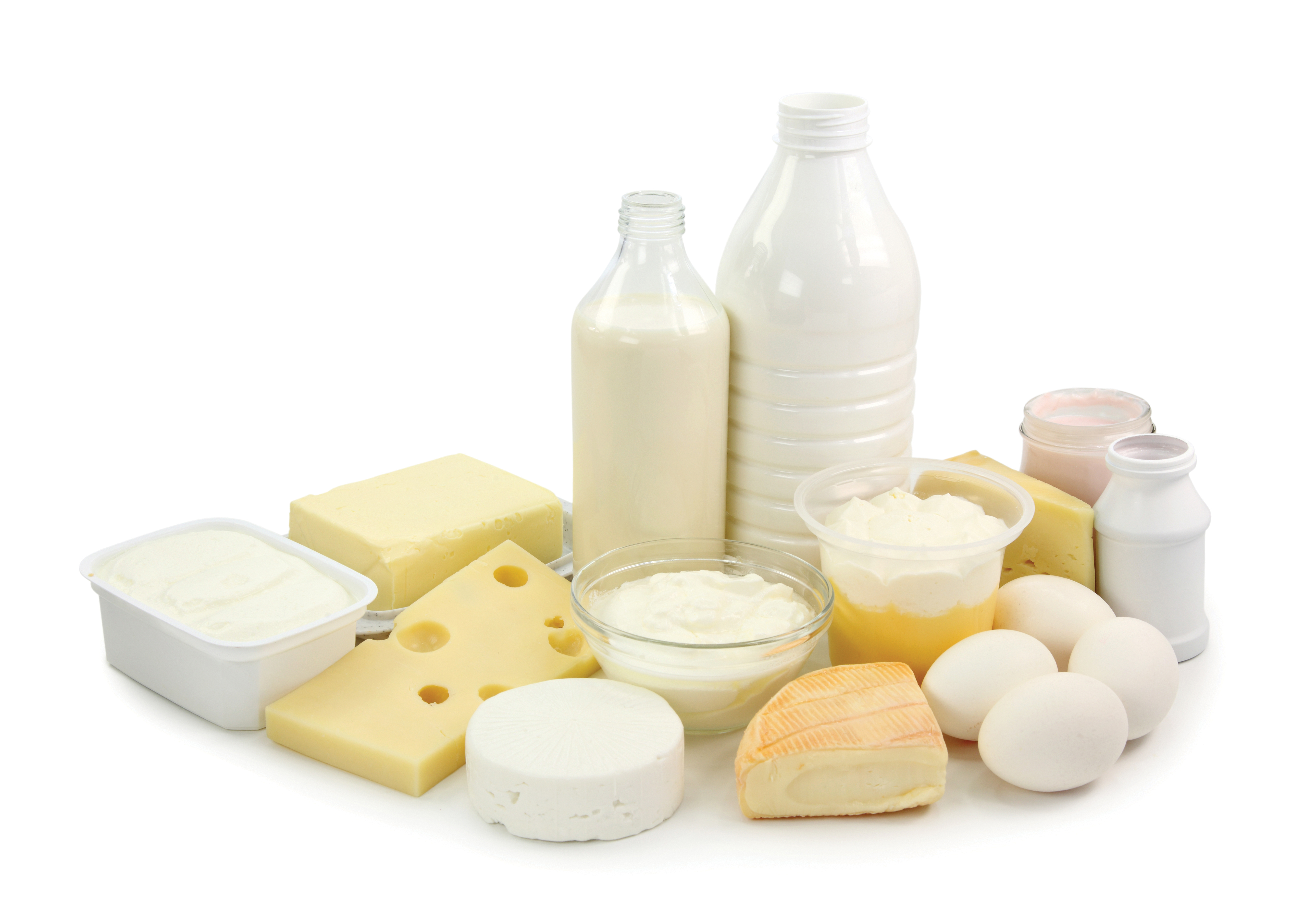
Foods in the dairy group supply approximately 75 percent of the calcium we consume. In addition, they provide protein, phosphorus, potassium and vitamins A, D, B12, and riboflavin. Although milk, yogurt and cheese offer significant amounts of calcium and other key nutrients, most people eat only half the recommended daily servings from this group.
That means many adults and children may not be getting enough calcium and other nutrients essential to stay healthy. Since dairy is considered a vital part of a healthy diet, ingredient manufacturers are creating natural ingredients that can be specifically utilized in dairy products and provide significant health benefits.
Boosting Immune Health
Immune health remains one of the hottest food and beverage ingredient categories. According to a 2009 Gallup poll, 72 percent of U.S. adults take a vitamin or supplement to strengthen their ability to fight off infection. Additionally, according to market researcher Mintel, 57 percent of functional beverage buyers are seeking to “maintain a strong immune system.”
Enter dairy products, which are ideal vehicles for delivering ingredients with real health benefits since they are consumed regularly if not daily, said Richard Mueller, CEO of Biothera (Eagan, MN). “For example, Wellmune WGP is a natural ingredient clinically proven to safely prime the immune system to keep your body healthy. Specifically, Wellmune activates billions of innate immune cells called neutrophils that are a major part of the body’s natural defenses. These cells have a short life span of only two to three days. An ideal delivery vehicle for Wellmune is a food or beverage, such as dairy, that is consumed daily so that new immune cells are continually primed.”
Further, according to Mueller, peerreviewed clinical research consistently demonstrated that Wellmune WGP® can reduce the incident of upper respiratory tract infection symptoms as well as maintain healthy levels of energy and mental clarity during periods of stress. The studies were conducted in several populations undergoing stress— marathoners, wild land firefighters, fourth-year medical students and other people with high-lifestyle stress.
“We believe Wellmune WGP is the perfect ingredient for delivering real immune health benefits through dairy products. Wellmune is natural and is generally recognized as safe (GRAS) under regulations of the U.S. Food and Drug Administration. It is kosher, halal and GMO-free. Wellmune has good stability and can be easily formulated into virtually any food or beverage matrix.”
Probiotics in Dairy
Probiotics also have a known link to building up the body’s immune system, with studies dating back to the early 1900s of cultured and culture-containing dairy foods and their health benefits. As such, traditionally, dairy products have been excellent sources of probiotics, added Michael Shahani, director of operations at Nebraska Cultures (Walnut Creek, CA). “Yogurt, kefir, buttermilk, raw milk and cheeses have all been sources of the probiotic strains that we now produce for supplements.
Most of these strains grow extremely well on a dairy medium. The most probiotic strain in yogurt, Lactobacillus bulgaricus, is possibly the oldest recognized probiotic. Other strains, such as L. helveticus, have been isolated from cheese.”
It seems that yogurt and kefir drinks are especially popular with the general public as a vehicle for probiotics, continued Shahani. “People perceive that probiotics are a natural part of these foods. It is important to find a vehicle that the public will accept as having a probiotic benefit. Kraft made a probiotic cheese for a while, but cheese, while a good vehicle for probiotics, was not popular as a food that people would want to contain probiotics.” Although there are non-refrigerated dairy products, people need to remember that it is necessary for dairy products such as yogurts and drinks containing probiotics to be refrigerated for medium-term stability, advised Shahani. In addition, dairy products typically don’t contain a very high dose of probiotics.
“The addition of more probiotic strains and newly researched strains is becoming more predominant,” said Shahani. “We see specific strains, such as the DDS-1 strain of L. acidophilus, being subjected to more research. This will give consumers more information to use probiotic products that are truly effective.”
Challenges and Trends
For ingredient manufacturers, creating and utilizing ingredients for dairy products does not come without obstacles. Vitiva, for example, is a company based in Markovci (Slovenia) that has recently introduced a natural rosemary-based ingredient called SyneROX® 4 that is intended to protect sensitive PUFA oils from degradation during processing and storage. However, Vitiva’s process in creating this specific ingredient was hardly problem-free.
“Successfully utilizing rosemary extract formulations in dairy applications was impossible up to now due to flavor, odor and color impact of traditional rosemary extracts available on the market,” said Dushka Dimitrijevi, the company’s vice president. “[But] our expertise in proprietary production and formulation technologies has enabled us to offer to the market a unique and powerful rosemary extract solution for whole milk powder antioxidative protection.”
Patented SyneROX 4 formulation offers full antioxidative protection and considerable shelf life extension (more than 80 percent) for milk powders and similar dairy products, without affecting their organoleptic characteristics. This offers substantial economical savings to milk powder producers and final users. SyneROX 4 is a 100 percent natural, GMO- and allergen-free product, said Dimitrijevic.
In addition to formulation concerns, label claims also continue to be a challenge for dairy and other products. The industry is struggling, especially in Europe, to find agreement with regulators on what level of science is required to support product claims, said Biothera’s Mueller. “[However], Wellmune is meeting this challenge through an ongoing commitment to research. In the past several years we have completed six clinical studies, which have been published or are pending publication in peer-reviewed science and medical journals.”
Thus, according to Dimitrijevic, manufacturers are also now responding to the needs of customers who are demanding natural, clean label, non- GMO, allergen-free products. “Dairy products are, by default, natural products, that we all relate to nature, purity and non-adulteration. Adding synthetic ingredients to it has been a wrong direction that lately manufacturers start to abandon,” he said. “[We] are assisting the industry by offering natural solutions and helping reach the goal of going back to the source and real value of foods in general.”
Dairy-Applicable Ingredients
by Rajiv Leventhal | April 1, 2011
![[Extra! Extra!] Immunometabolism](https://niemagazine.com/wp-content/uploads/2026/08/ImmuneHealth-featuredimage-300x164.jpg)


![[Extra! Extra!] Emerging Trends in the Functional Foods and Beverages Space](https://niemagazine.com/wp-content/uploads/2026/05/Food-Drink-Ingredients-300x295-1780000257.jpg)